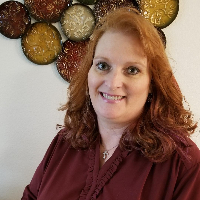
Shelly Sanders
LCSWIdaho · 9 yrs exp
Calm, practical therapy for strong emotions
Stress, Anxiety · Trauma and abuse · Anger · Depression · +13 more
Read profileTherapist listings are provided by BetterHelp. We will earn a commission at no additional cost to you if you use our links to purchase.
Compare Idaho profiles to learn which clinicians list anger and frustration among their focus areas, including their approaches, credentials and languages. Browse the profiles below to review individual practice details and consider who might match your needs.
Idaho · 9 yrs exp
Calm, practical therapy for strong emotions
Stress, Anxiety · Trauma and abuse · Anger · Depression · +13 more
Read profile
Idaho · 18 yrs exp
Experienced LCSW who listens and offers practical help
Stress, Anxiety · Trauma and abuse · Grief · Self esteem · +10 more
Read profile
Idaho · 5 yrs exp
Calm, practical therapy for real-world problems
Stress, Anxiety · Addictions · Relationship · Depression · +6 more
Read profile
Idaho · 13 yrs exp
Practical, steady support for stress and anger
Stress, Anxiety · Addictions · Trauma and abuse · Anger · +13 more
Read profile
Idaho · 6 yrs exp
Practical counseling for stress and anger
Stress, Anxiety · Trauma and abuse · Anger · Self esteem · +1 more
Read profile
Idaho · 5 yrs exp
Practical support for strong emotions
Stress, Anxiety · Addictions · Relationship · Trauma and abuse · +11 more
Read profile
Idaho · 13 yrs exp
Compassionate LCSW for practical change
Stress, Anxiety · Addictions · Trauma and abuse · Depression · +7 more
Read profile
Idaho · 8 yrs exp
Calm guidance for managing anger and stress
Stress, Anxiety · Family · Self esteem · Depression · +10 more
Read profile
Idaho · 37 yrs exp
Calm support to rebuild relationships and cope with anger
Stress, Anxiety · Relationship · Trauma and abuse · Grief · +10 more
Read profile
Idaho · 6 yrs exp
Compassionate, practical help for strong emotions
Stress, Anxiety · LGBT · Trauma and abuse · Depression · +5 more
Read profile
Idaho · 10 yrs exp
Practical support for strong emotions and change
Stress, Anxiety · Relationship · Anger · Self esteem · +1 more
Read profile
Idaho · 8 yrs exp
Calm, depth-informed counseling for strong emotions
Stress, Anxiety · LGBT · Trauma and abuse · Grief · +16 more
Read profile
Idaho · 10 yrs exp
Skilled LCSW helping people manage strong emotions
Stress, Anxiety · Trauma and abuse · Anger · Depression · +1 more
Read profile
Idaho · 8 yrs exp
Collaborative, practical therapy for everyday struggles
Stress, Anxiety · Relationship · Trauma and abuse · Bipolar · +14 more
Read profile
Idaho · 19 yrs exp
Practical, science-informed counseling for everyday struggles
Stress, Anxiety · Addictions · Trauma and abuse · Self esteem · +11 more
Read profile
Idaho · 17 yrs exp
Calm, practical help for anger and life stress
Stress, Anxiety · Grief · Parenting · Depression · +8 more
Read profile
Idaho · 9 yrs exp
Calm, practical guidance for anger and life strain
Stress, Anxiety · Relationship · Family · Parenting · +13 more
Read profile
Idaho · 12 yrs exp
Practical, compassionate help for anger and stress
Stress, Anxiety · Trauma and abuse · Self esteem · Bipolar · +14 more
Read profile
Idaho · 28 yrs exp
Experienced counselor for stress and anger
Stress, Anxiety · Relationship · Depression · Coping with life changes · +8 more
Read profile
Idaho · 47 yrs exp
Practical, strengths-based counseling with goal plans
Stress, Anxiety · Trauma and abuse · Parenting · Anger · +6 more
Read profile
Idaho · 8 yrs exp
Practical, skills-focused counseling for life challenges
Stress, Anxiety · Trauma and abuse · Grief · Sleeping · +13 more
Read profile
Idaho · 6 yrs exp
Practical help for anger and strong emotions
Stress, Anxiety · Addictions · Relationship · Depression · +9 more
Read profile
Idaho · 9 yrs exp
Calm, practical support for life's strong emotions
Stress, Anxiety · Family · Parenting · Self esteem · +13 more
Read profile
Idaho · 10 yrs exp
Helpful, practical counseling focused on direction
Stress, Anxiety · Relationship · Family · Career · +12 more
Read profileWhen you notice repeated irritability, sudden outbursts, persistent resentment or rising stress that affects relationships and work, it can feel isolating and confusing. You may find yourself avoiding certain conversations, replaying events, or experiencing tension that bleeds into home or workplace interactions. These experiences are common reasons people look for help. Talking with a professional can give you a space to explore triggers, patterns and practical coping strategies without judgement. It is important to name your concerns plainly - whether that is frequent irritability, rapid mood shifts, difficulty calming down after an argument, or a pattern of resentment - because clear language helps you and a clinician focus on what matters to you. If you worry about hurting yourself or someone else, or if you are in an abusive situation, call emergency services or a domestic-abuse helpline immediately. Safety should always come first.
This directory groups profiles under a listed location of Idaho to help you find clinicians who indicate a connection to that region. A listed location does not by itself prove a physical office in your area or current permission to provide care there. You should open a profile to see what the practitioner states about where they work and whether they explicitly confirm they can work with you where you live. In the United States, therapists commonly display professional licenses such as state licenses for social workers, counselors or marriage and family therapists. In the United Kingdom and Australia, professionals often show registration or membership with national or regional bodies rather than a US-style license. Academic degrees like PhD, PsyD, MD, MA or MSW tell you about someone’s educational background but do not alone establish legal permission to practise in a given jurisdiction. When you review a profile, look for clear statements about the clinician’s permitted practice locations and, if that is not present, ask directly about it before starting work together.
Profiles list focus areas and approaches as a starting point, but you will want to ask concrete questions to understand how a clinician might work with your situation. You can ask which issues they frequently address when clients mention anger or frustration, and how they typically begin that work. If a profile lists particular approaches - for example, therapists who list EMDR among their approaches or those who list cognitive-behavioural strategies - ask how those approaches might be applied to your concerns specifically. Ask about experience with issues that matter to you such as workplace stress, family conflict, or managing intense outbursts. Clarify whether they commonly work with individuals only, or also with couples or families, because a listed topic does not establish the clinician treats all age groups or relationship types. Concrete questions include: How do you help people understand their triggers? What kinds of strategies do you use to manage anger in relationships? Can you describe a typical initial session focused on anger? These questions will help you see whether the clinician’s way of working aligns with what you want to try.
If you are considering online conversations, there are specific matters to cover up front so you know what to expect. Confirm whether the clinician is permitted to practise with clients in your state or country and whether they will conduct sessions from a listed location that allows cross-jurisdiction work. Discuss how they handle emergencies and what steps you should take if a heated moment escalates between sessions. Online talk therapy is not a court-ordered anger-management course or a certificate program, and it should not be represented as such; if you are under a legal requirement to complete a specific program, check that the clinician’s services meet that external requirement. Ask practical questions about how personal communications are maintained in their chosen platform without using the banned term, and whether they have a plan for interruptions or technology failures. If you have concerns about sharing space at home during a session - for example, whether you can speak freely without being overheard - talk with the clinician about strategies for creating a calm setting. Finally, discuss the clinician’s typical ways of tracking progress so you both have a shared sense of goals and next steps, remembering that no clinician can promise to stop anger or guarantee relationship outcomes.
When you compare profiles, pay attention to four practical dimensions: focus areas, languages, credentials and style of practice. Focus areas tell you what the clinician lists as common concerns they address; look for mentions of anger, irritability, resentment, workplace stress or conflict resolution to see whether their language matches yours. Languages listed on a profile are important if you prefer to speak in a language other than English; clear language alignment can shape how well you feel understood. For credentials, notice both academic degrees and professional permissions. Degrees such as PhD, PsyD, MD, MA and MSW indicate training but ask whether the clinician also holds a licence, registration or membership that permits them to provide care where you live. For style, read the profile text to sense whether the clinician describes an exploratory, skills-focused or insight-oriented approach and ask them to give a brief example of how they work with anger in early sessions. Useful comparison questions you can bring to a first conversation include: Which emotions and situations do you address most often when people mention anger? How do you balance exploring underlying issues with teaching practical ways to manage intense moments? What language options do you offer? Can you explain what your credential means for practice in Idaho or in my country? Remember that profiles are a starting point to help you choose who to contact, and that direct conversation is the best way to judge fit for your priorities.
Choosing a clinician is a personal decision and it helps to take your time, ask straightforward questions and trust your sense of fit. Use the profile details to narrow options, then reach out to those who seem aligned with your needs to discuss practical matters like location permissions, approach and how safety is handled. If immediate danger is present, call emergency services or a domestic-abuse helpline right away. Otherwise, rely on clear, concrete questions and an honest first conversation to find someone who can work with you on anger, frustration and their impact on your life.
Addictions
8031 therapists
ADHD
7522 therapists
Anger
13244 therapists
Bipolar
7099 therapists
Control Issues
6282 therapists
Depression
12345 therapists
Disruptive Mood Dysregulation Disorder (DMDD)
2033 therapists
Domestic Violence
4324 therapists
Grief
10731 therapists
Guilt and Shame
8595 therapists
Impulsivity
5148 therapists
Isolation / Loneliness
8055 therapists
Mood Disorders
6731 therapists
Post-Traumatic Stress
7270 therapists
Self Esteem
12166 therapists
Stress & Anxiety
12871 therapists
Trauma and Abuse
11069 therapists
Abandonment
5837 therapists
Attachment Issues
6108 therapists
Blended Family Issues
4747 therapists
Career
8690 therapists
Caregiver Issues and Stress
6105 therapists
Communication Problems
9137 therapists
Compassion Fatigue
7490 therapists
Coping with Life Changes
11500 therapists
Divorce
6539 therapists
Family
10815 therapists
Family of Origin Issues
4413 therapists
Fatherhood Issues
3110 therapists
First Responder Issues
2820 therapists
Forgiveness
7859 therapists
Infidelity
4496 therapists
Jealousy
4527 therapists
Parenting
9388 therapists
Relationship
11415 therapists
Workplace Issues
6571 therapists