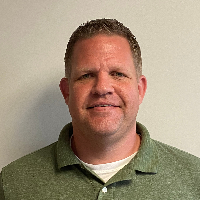
William "Bill" Blundell
LCPC
Experienced LCPC offering practical, direct support
Opens BetterHelp in a new tab, where you can review online therapy options.
- Calm and down-to-earth
- Humor when helpful
- Goal focused
About William
Bill keeps his clinical skills active through teaching and probation work. He has spent much of his career helping people with depression, anxiety, stress, anger, and relationship concerns. He also has focused time working with substance use and grief issues, and has taken extra interest in obsessive-compulsive concerns.
His approach is down-to-earth and straightforward. He describes himself as laid back and uses humor when it helps. He aims to listen without judgment and to meet people where they are emotionally and mentally. Sessions are collaborative - he helps people identify changes they want and supports steps toward those goals.
Bill draws on practical methods such as cognitive behavioral techniques, acceptance and commitment ideas, mindfulness, motivational interviewing, and skills from dialectical behavior therapy. He uses these tools to help with everyday problems like sleep, eating, stress, and managing strong emotions such as anger.
People who reach out can expect a calm, open-minded counselor who values honesty and clarity. He encourages anyone who is struggling to begin the counseling journey and will work with clients to address both short-term concerns and longer-term growth.
Areas of expertise
Primary focus
Also works with
Additional focus areas
Therapeutic approaches
Experience
17+ years
Credentials
Illinois
Languages
English
How ACT, CBT, and DBT translate to remote work
Acceptance and Commitment Therapy (ACT) helps people notice unhelpful thoughts and choose actions that match their values. It can be useful for stress, anxiety, and life transitions. Cognitive Behavioral Therapy (CBT) focuses on changing unhelpful thinking and behavior patterns with practical exercises and homework. It often helps with depression, anxiety, sleep, and anger. Dialectical Behavior Therapy (DBT) teaches coping skills for intense emotions, including distress tolerance, emotional regulation, and better communication.Finding the right approach is part of the work. The therapist will talk with each person about their situation, goals, and preferences and then try methods that fit. This is a collaborative process and methods can be adjusted as progress is tracked.
If you are considering online therapy, confirm the current session options before booking since formats are not listed here. Online sessions can make it easier to fit counseling around work, school, or family obligations. They also let people do shorter check-ins when needed, avoid travel, or use a phone-only option if being on camera is difficult. Ask about the available session formats when you start so you can choose what fits your life.
At a glance
- Listed location
- Illinois
- Experience
- 17+ years
- Credentials
- LCPC
- Languages
- English
- License (Illinois)
- LCPC · No. 180.007429
- NPI
- 1346545712
As listed by the therapist. You can check a license with the state board and an NPI with the national registry.
Frequently asked questions
What concerns does he help with?
He helps people facing stress, anxiety, anger, depression, grief, addictions, relationship and family issues, trauma and abuse, intimacy concerns, sleep and eating problems, and other life challenges.
What is his therapeutic style like?
He uses a down-to-earth, collaborative style and aims to listen without judgment. Sessions tend to be straightforward and goal oriented, with occasional use of humor when appropriate.
How much experience does he have?
He has 17 years of experience in counseling and has worked in clinical, academic, and probation settings over that time.
What credentials does he hold and where is he based?
He is a Licensed Clinical Professional Counselor (LCPC) licensed in Illinois and practices in that state.
Which languages are available for sessions?
Sessions are offered in English.
Can people outside the U.S. work with him?
He does not take international clients at this time.
How much do sessions cost?
Cost varies with location and therapist arrangement; sessions use a subscription that can be canceled at any time.
What are the first steps to begin?
To start, use the Start Therapy button, complete a short matching questionnaire, and then schedule according to the therapist's availability.
Before you start
- Online talk therapy is not a court-ordered or mandated anger-management course, and it does not provide attendance certificates.
- Check that the location and license details above fit where you live.
- If anyone is at risk of being harmed, contact emergency services or a domestic-abuse helpline first. See the support lines for the US, UK and Australia.