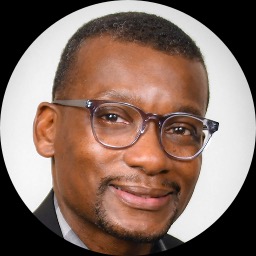
Dr. Warren Moore
LCSW
Practical, steady therapy for strong emotions
Opens BetterHelp in a new tab, where you can review online therapy options.
- 21 years experience
- NC LCSW credential
- Focus on anger
About Warren
He believes in creating a calm, open space where people can talk about hard feelings without feeling judged. Conversations are straightforward and grounded in the client’s day-to-day life. He encourages small, practical steps that build toward clearer thinking and steadier behavior.
Dr. Moore uses different methods depending on what a person needs. He draws on cognitive-behavioral techniques to identify unhelpful thoughts and try new responses. He also uses acceptance and commitment ideas to help people notice what matters to them and take value-based actions.
Sessions include learning coping skills, practicing new ways to respond to triggers, and working through painful experiences at a pace the client sets. He pays attention to cultural and identity concerns and to issues related to adoption, foster care, hospice care, and military experiences when relevant.
People looking for help with relationship strain, grief, eating and intimacy concerns, substance issues, or identity-related stress will find a practical, steady approach. His work is focused on helping individuals manage feelings and move forward with clearer choices.
Areas of expertise
Primary focus
Also works with
Additional focus areas
Therapeutic approaches
Experience
21+ years
Credentials
North Carolina
Languages
English
Approaches that translate to online work
Acceptance and Commitment Therapy (ACT) focuses on noticing inner thoughts and feelings without getting stuck in them, and then committing to actions that match what matters to you. It can help with anxiety, anger, and major life changes by clarifying values and building small, steady habits. Cognitive Behavioral Therapy (CBT) looks at the link between thoughts, feelings, and behavior and teaches practical skills to change unhelpful patterns. It is often used for stress, depression, anxiety, and anger by teaching specific techniques to test and shift thinking.Finding the right approach is a collaborative process. The therapist will discuss goals, try methods in session, and adjust based on what feels helpful. Together they will pick strategies that match the client’s needs, pace, and preferences rather than assuming one method fits everyone.
Online therapy can make it easier to fit sessions into a busy life, reduce travel time, and allow for quicker check-ins between in-person commitments. Because session formats were not specified in the biography, confirm the current session options before booking. The focus in remote work is the same as in person: learning coping skills, practicing new responses to triggers, and working through difficult experiences at a manageable pace.
At a glance
- Listed location
- North Carolina
- Experience
- 21+ years
- Credentials
- LCSW
- Languages
- English
- License (North Carolina)
- LCSW · No. C005182
- NPI
- 1144385642
As listed by the therapist. You can check a license with the state board and an NPI with the national registry.
Frequently asked questions
What kinds of problems does Dr. Moore help address?
He helps people dealing with stress, anxiety, trauma and abuse, anger, self-esteem, coping with life changes, addictions, relationship and family concerns, grief, intimacy difficulties, eating issues, parenting challenges, and depression. He also focuses on adoption and foster care, hospice and end-of-life counseling, infidelity, veteran and armed forces issues, multicultural concerns, prejudice and discrimination, and self-harm when relevant.
What is his therapy style like?
He keeps sessions direct and practical, creating an open space for people to speak without judgment. The work often combines skill practice with talking through real-life situations.
How long has he worked in clinical practice?
He has 21 years of professional experience providing clinical support and psychotherapy in North Carolina.
What credentials and location are listed for this therapist?
He holds the credential LCSW, listed as NC LCSW, and practices in North Carolina.
Which languages are supported by Dr. Moore?
Sessions are offered in English.
Can international clients work with him?
International clients are not currently accepted.
How are sessions arranged and what do they cost?
Cost varies with location and therapist availability; sessions use a subscription that can be canceled at any time. Exact pricing is available during the intake and scheduling process.
What should I do to begin working with him?
Select the Start Therapy button, complete a short matching questionnaire, and schedule according to therapist availability to begin the process.
Before you start
- Online talk therapy is not a court-ordered or mandated anger-management course, and it does not provide attendance certificates.
- Check that the location and license details above fit where you live.
- If anyone is at risk of being harmed, contact emergency services or a domestic-abuse helpline first. See the support lines for the US, UK and Australia.