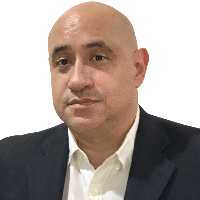
Dr. Victor Franco
LMHC
Focused, bilingual counselor for life challenges
Opens BetterHelp in a new tab, where you can review online therapy options.
- Bilingual English Spanish
- Experience with trauma
- Practical skills focus
About Victor
He draws on a mix of evidence-informed approaches to shape each session. That includes Acceptance and Commitment Therapy (ACT), cognitive behavioral techniques, attachment-focused work, client-centered methods, and existential ideas. Sessions tend to focus on clear goals, skills you can use between meetings, and understanding patterns that keep problems stuck.
Dr. Franco has a long clinical background and more than two decades of experience in mental health. His training includes graduate study in cognitive psychology, neuroscience, and psychoanalysis, and he is pursuing doctoral studies in Counseling. He has worked with trauma survivors at a large New York organization and stays involved with national and international mental health groups.
In a typical meeting he helps people name what matters to them, notice unhelpful patterns, and build small practical steps toward change. He pays attention to identity and relational themes, such as attachment and commitment concerns. He also addresses practical challenges like sleep, coping strategies, and communication skills.
For people worried about anger or repeated conflict, he looks at triggers, underlying fears, and learned responses. The aim is to expand options so reactions feel more purposeful. He encourages collaboration on treatment goals and adapts methods to the person sitting in the room.
Areas of expertise
Primary focus
Also works with
Additional focus areas
Therapeutic approaches
Experience
23+ years
Credentials
New York
Languages
English, Spanish
How these approaches translate to online work
Acceptance and Commitment Therapy, or ACT, helps people clarify what matters and take small actions that fit those values while learning to notice difficult thoughts and feelings. It is often useful for anxiety, anger, and stress when someone wants practical ways to move forward. Cognitive Behavioral Therapy, CBT, focuses on identifying and changing unhelpful thinking and behavior patterns through structured exercises and skills practice. This approach is commonly used for anxiety, depression, and coping with urges or cravings. Attachment-Based Therapy looks at relationship patterns and early bonds to understand how current reactions form; it can help with intimacy issues, communication problems, and fears around abandonment.Finding the right approach is part of the work. The therapist will talk with the client about goals, past efforts, and preferences, and then shape sessions around what seems most helpful. This is a collaborative process where methods can be adjusted over time based on what the person needs.
If you are considering online therapy, confirm the session options available before booking since formats were not specified in the biography. Online sessions can make it easier to fit meetings into a busy day, allow shorter check-ins when needed, and reduce travel time. They also let people continue continuity of care if they are traveling or living outside the therapist's immediate area. Licensed professionals can combine goal work, skill practice, and reflective conversation effectively in remote sessions when the approach fits the client's needs.
At a glance
- Listed location
- New York
- Experience
- 23+ years
- Credentials
- LMHC
- Languages
- English, Spanish
- License (New York)
- LMHC · No. 004151
- NPI
- 1629282405
As listed by the therapist. You can check a license with the state board and an NPI with the national registry.
Frequently asked questions
What concerns does he help with?
He supports people with stress, anxiety, anger, addictions, depression, relationship and intimacy issues, grief, and related challenges including identity and body image concerns.
What is his therapeutic style like?
He uses clear, goal-oriented sessions that mix skill-building with deeper exploration. Meetings often include practical tools clients can try between sessions.
How much clinical experience does he have?
He brings 23 years of experience in mental health and has worked with trauma survivors in a large New York organization.
What credentials and location are listed?
He is a New York licensed mental health counselor, listed as LMHC, and is based in New York.
Which languages are supported for sessions?
Sessions are offered in English and Spanish.
Can people outside the U.S. work with him?
He accepts international clients; check any region-specific rules before scheduling.
How are fees and payment handled?
Cost varies with location and therapist availability; sessions use a subscription that can be canceled at any time.
What are the first steps to begin therapy?
Select the Start Therapy button, complete a short matching questionnaire, and schedule according to the therapist's availability.
Before you start
- Online talk therapy is not a court-ordered or mandated anger-management course, and it does not provide attendance certificates.
- Check that the location and license details above fit where you live.
- If anyone is at risk of being harmed, contact emergency services or a domestic-abuse helpline first. See the support lines for the US, UK and Australia.