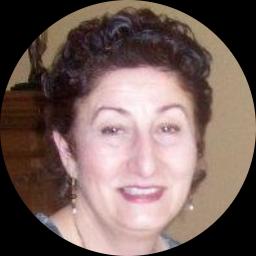
Veronica Michael
LMFT
Calm listener who helps find practical steps
Opens BetterHelp in a new tab, where you can review online therapy options.
- Practical problem solving
- Focus on relationships
- Emotion regulation skills
About Veronica
Veronica creates a supportive space and pays close attention to what matters most to each person. She listens for the central issue in a struggle and helps clients break it into manageable parts. That may mean changing unhelpful thoughts, practicing new ways to handle strong feelings, or trying a different way to connect with someone important.
Her work often addresses stress, anxiety, anger, and relationship concerns. She also helps with trauma and abuse, grief, intimacy-related issues, depression, and caregiver strain. Additional areas include ADHD, bipolar, eating struggles, and life transitions such as midlife change or caregiving challenges.
Veronica combines approaches to match a client's needs. She uses Attachment-Based and Emotionally-Focused ideas to look at how relationships shape feeling and behavior. She applies Cognitive Behavioral Therapy to spot patterns of thinking that keep problems going. Dialectical Behavior Therapy skills are used when people need tools to manage intense emotions and reactions.
Clients can expect direct yet compassionate feedback, simple tools to try between sessions, and collaborative planning. Veronica works from California and conducts sessions in English. To begin, clients complete a short matching questionnaire and schedule according to therapist availability.
Areas of expertise
Primary focus
Also works with
Additional focus areas
Therapeutic approaches
Experience
20+ years
Credentials
California
Languages
English
Therapy approaches that translate online
Attachment-Based Therapy looks at how early and current relationship patterns shape feelings and reactions. Online sessions using attachment ideas often focus on how people connect, how trust is built or lost, and on small changes that improve closeness and safety. Cognitive Behavioral Therapy, or CBT, helps people notice unhelpful thinking and try different behaviors. In an online setting CBT often uses clear, short exercises and homework to change thinking patterns that feed anxiety, anger, or depression. Dialectical Behavior Therapy, DBT, teaches practical skills for emotion regulation and distress tolerance, which can be practiced between sessions to reduce explosive reactions or chronic overwhelm.Finding the right approach is part of the work. The therapist will talk with the client about goals and preferences, then suggest strategies to try. That plan is adjusted over time based on what helps most, and decisions are made together in session.
Confirm the session formats before booking to match your needs. Online therapy can make it easier to schedule around work, reduce travel time, and fit brief check-ins into a busy day. It can also allow focused skills practice and homework review without needing extra commute time. If you want clarity on available session types, check the booking details or ask when you complete the matching questionnaire.
At a glance
- Listed location
- California
- Experience
- 20+ years
- Credentials
- LMFT
- Languages
- English
- License (California)
- LMFT · No. 41488
- NPI
- 1861544538
As listed by the therapist. You can check a license with the state board and an NPI with the national registry.
Frequently asked questions
What kinds of concerns does she help address?
She helps people with stress, anxiety, anger, relationship problems, trauma and abuse, intimacy issues, depression, grief, and related concerns listed in her profile.
What is her therapy style like?
Her style is supportive and direct, with strong listening and a focus on identifying the central issue. She blends practical tools and emotion-focused work.
How long has she been practicing?
She has two decades of clinical experience working with a range of emotional and relationship concerns.
Where is she licensed to practice?
She holds a California Licensed Marriage and Family Therapist credential, listed as LMFT in her profile.
Which languages are available for sessions?
Sessions are offered in English.
Does she work with clients outside the United States?
International clients are not currently accepted.
How are fees and payment handled?
Cost varies with location and therapist availability, and sessions use a subscription that can be canceled at any time.
How do I start a session with her?
Click the Start Therapy button, complete a short matching questionnaire, and then schedule according to the therapist's availability.
Before you start
- Online talk therapy is not a court-ordered or mandated anger-management course, and it does not provide attendance certificates.
- Check that the location and license details above fit where you live.
- If anyone is at risk of being harmed, contact emergency services or a domestic-abuse helpline first. See the support lines for the US, UK and Australia.