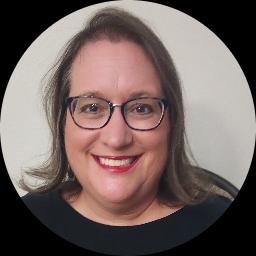
Tina Pogorzala
LMHC
Practical guidance for anger and stress management
Opens BetterHelp in a new tab, where you can review online therapy options.
- Action focused
- Mindfulness based
- Faith included on request
About Tina
With 17 years of experience as an LMHC (Licensed Mental Health Counselor), she uses everyday talk and clear tools rather than jargon. Sessions center on identifying unhelpful patterns and testing small changes that make daily life easier. She blends short-term problem solving with clearer thinking techniques to reduce reactivity and improve coping.
Tina draws from Cognitive Behavioral Therapy and Solution-Focused Therapy to build plans that fit each person. She also offers mindfulness practices to help with moment-to-moment calm. When a client asks for it, faith or Christian-based perspectives can be included in sessions.
Her background emphasizes practical outcomes: better sleep, reduced anger outbursts, steadier moods, and improved communication. She works with common concerns such as relationships, parenting stress, ADHD, grief, and career strain. Tina aims to make therapy a usable part of everyday life rather than an extra burden.
People who choose her can expect straightforward guidance, goal-focused work, and choices about techniques. She encourages people to start small, notice what changes, and adjust plans as needed.
Areas of expertise
Primary focus
Also works with
Additional focus areas
Therapeutic approaches
Experience
17+ years
Credentials
Florida
Languages
English
Approaches that translate to online work
Many elements of Cognitive Behavioral Therapy are easy to use in remote sessions. CBT focuses on spotting thought and behavior patterns, testing new responses, and practicing small behavior changes that reduce anger and anxiety. It often uses brief exercises and homework between sessions that fit well into weekly life.The Gottman Method provides clear communication and conflict-management practices that can be taught and practiced during sessions. It helps people learn specific skills for conversations, repair attempts, and building steadier connections over time.
Finding the right approach is part of the process. The therapist will talk with the client about goals, preferences, and what feels most helpful. Together they decide which strategies to try and adjust them as progress is tracked.
Confirm current session options before booking since formats are not specified here. Online therapy can make it easier to fit appointments into busy schedules, allow shorter check-ins when needed, and let people use tools like worksheets, guided mindfulness, and skill practice between sessions. Licensed professionals can adapt exercises so work done in sessions carries over into everyday life.
At a glance
- Listed location
- Florida
- Experience
- 17+ years
- Credentials
- LMHC
- Languages
- English
- License (Florida)
- LMHC · No. MH12509
- NPI
- 1467701078
As listed by the therapist. You can check a license with the state board and an NPI with the national registry.
Frequently asked questions
What concerns does Tina address in sessions?
She helps people with anger, stress, anxiety, depression, relationship and parenting concerns, ADHD, grief, self-esteem, career issues, and related struggles.
What is the general therapy style here?
Sessions are practical and goal oriented, using clear steps, tools, and short-term problem solving to reduce reactivity and improve daily functioning.
How much clinical experience does she bring?
Tina has 17 years of professional counseling experience working with a range of common life and emotional concerns.
What credentials and region are listed for this therapist?
She is an LMHC, which stands for Licensed Mental Health Counselor, and practices in Florida.
Which languages are offered for sessions?
Sessions are offered in English.
Are international clients supported?
International clients are not currently accepted.
How does billing and cost work?
Cost varies with location and therapist availability; sessions use a subscription that can be canceled at any time.
What are the steps to begin working together?
Use the Start Therapy button, complete a short matching questionnaire, and schedule according to the therapist's availability.
Before you start
- Online talk therapy is not a court-ordered or mandated anger-management course, and it does not provide attendance certificates.
- Check that the location and license details above fit where you live.
- If anyone is at risk of being harmed, contact emergency services or a domestic-abuse helpline first. See the support lines for the US, UK and Australia.