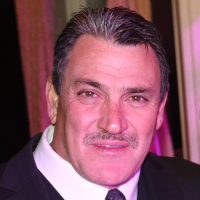
Timothy 'Tim' McCann
LPC, LMHC
Compassionate, practical therapy for everyday struggles
Opens BetterHelp in a new tab, where you can review online therapy options.
- Focus on communication
- Skills for emotion management
- Collaborative care
About Timothy
He brings six years of clinical experience to his work. Tim emphasizes collaboration and creates a non-judgmental space for clients to talk through what’s happening in their lives. He helps people improve communication and build resilience after trauma, loss, or major life changes.
Tim’s methods draw on several evidence-informed approaches, including Acceptance and Commitment Therapy, Cognitive Behavioral Therapy, and Emotionally-Focused Therapy. He uses these approaches to help clients notice unhelpful patterns, try new behaviors, and strengthen emotional connection where that matters.
Practical skill building is a common feature of his sessions. Clients learn concrete strategies for coping with anxiety, setting boundaries, managing anger, and addressing addictive patterns. Tim also supports people working through identity concerns, body image, and intimacy-related issues.
He has experience with a range of backgrounds, including young adults, veterans, and first responders, and also works with people navigating multicultural experiences. To begin, visitors can complete the site’s matching questionnaire and schedule a session based on availability.
Areas of expertise
Primary focus
Also works with
Additional focus areas
Therapeutic approaches
Experience
6+ years
Credentials
Colorado, Florida
Languages
English
How therapeutic approaches shape online care
Acceptance and Commitment Therapy (ACT) helps people notice painful thoughts and feelings without getting stuck in them. It emphasizes values-driven action so clients can make meaningful changes even when emotions are hard to bear. Cognitive Behavioral Therapy (CBT) focuses on identifying unhelpful thoughts and testing them with practical experiments and behavior changes. It is useful for anxiety, anger, and mood concerns. Emotionally-Focused Therapy (EFT) looks at emotional patterns in close relationships and helps people change how they express needs and respond to others.Finding the right approach is collaborative. The therapist will work with each person to match methods to their needs, goals, and preferences. That might mean trying a CBT technique for a few sessions, then adding ACT or EFT tools based on progress and what feels most useful.
Because the original biography does not name specific session formats, confirm current options before booking. Online work can make it easier to fit therapy into a busy life, such as squeezing sessions into a lunch break or avoiding travel time. It can also allow for shorter check-ins when that suits a schedule, and options that do not require being on camera when bandwidth or comfort is an issue. Licensed professionals can adapt exercises, worksheets, and skill practice to work well in remote sessions so progress continues between meetings.
At a glance
- Listed location
- Florida
- Experience
- 6+ years
- Credentials
- LPC, LMHC
- Languages
- English
- License (Colorado)
- LPC · No. 0015365
- License (Florida)
- LMHC · No. MH25479
- NPI
- 1285248112
As listed by the therapist. You can check a license with the state board and an NPI with the national registry.
Frequently asked questions
What kinds of concerns does he help with?
Tim helps people address stress, anxiety, anger, depression, relationship and intimacy issues, grief, addictions, and career or identity concerns.
What is his therapy style like?
His style is collaborative and non-judgmental. Sessions focus on practical tools, clearer communication, and building emotional resilience.
How much experience does he have?
He has six years of clinical experience working with a variety of backgrounds, including young adults, veterans, and first responders.
What credentials and location are listed?
He holds LPC and LMHC credentials and practices in Florida.
Which languages and international options are available?
Sessions are offered in English and international clients are accepted.
What session formats are offered?
The original biography does not list specific session formats, so confirm current session options before booking.
How does cost and payment work?
Cost varies with location and therapist availability; sessions use a subscription that can be canceled at any time.
How do I get started?
Select the Start Therapy button, complete the short matching questionnaire, and schedule according to therapist availability.
Before you start
- Online talk therapy is not a court-ordered or mandated anger-management course, and it does not provide attendance certificates.
- Check that the location and license details above fit where you live.
- If anyone is at risk of being harmed, contact emergency services or a domestic-abuse helpline first. See the support lines for the US, UK and Australia.