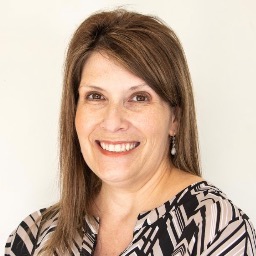
Tausha Taylor
LPC, LCPC
A warm, practical counselor for anger issues
Opens BetterHelp in a new tab, where you can review online therapy options.
- 12 years experience
- Practical skill work
- Missouri based
About Tausha
Her style is warm and interactive. Sessions are conversational and paced to the person’s needs. She treats people with respect and avoids stigmatizing labels. Tausha aims to help someone feel heard and understood before moving into skill work.
She mixes proven therapy methods with practical coaching. Cognitive Behavioral Therapy is used to identify unhelpful thoughts and build new habits. Dialectical Behavior Therapy provides tools for emotion regulation and distress tolerance. Eye Movement Desensitization and Reprocessing can be used when past events keep causing painful reactions.
Tausha adapts sessions to each person. Together they shape a plan with clear goals and steps to try between meetings. Expect a focus on real-life skills you can use right away, like communication practice and coping techniques.
She holds LPC and LCPC credentials and practices in Missouri. If someone is ready to start, they complete a short questionnaire to match with her and then schedule according to availability. Sessions use a subscription that can be canceled at any time.
Areas of expertise
Primary focus
Also works with
Additional focus areas
Therapeutic approaches
Experience
12+ years
Credentials
Missouri, Iowa, Kansas
Languages
English
Therapy approaches you can use online
Client-Centered Therapy focuses on listening and building trust. The therapist follows the person's lead, reflects what they say, and helps clarify goals. This approach is helpful when someone needs acceptance and a calmer space to talk about anger and stress.Cognitive Behavioral Therapy, or CBT, helps identify thoughts and behaviors that fuel anger. Sessions include exercises to test beliefs, try new behaviors, and practice coping skills between meetings. CBT is often used for anxiety, depression, and anger management because it gives clear steps to practice.
Dialectical Behavior Therapy, DBT, offers tools for managing intense emotions. It teaches emotion regulation, distress tolerance, and interpersonal skills that can reduce reactive outbursts and improve communication.
Finding the right approach is part of the therapy process. The therapist works together with each person to decide which methods fit their needs, goals, and preferences. That plan can change as progress is made and new challenges appear.
Practical benefits of online therapy include easier scheduling and fitting sessions into a busy day. It can make regular check-ins simpler and reduce travel time while still providing structured work on skills. If you want to know which session formats are offered, please confirm current options before booking so you can match the format to your routine.
At a glance
- Listed location
- Missouri
- Experience
- 12+ years
- Credentials
- LPC, LCPC
- Languages
- English
- License (Missouri)
- LPC · No. 2010041726
- License (Iowa)
- LMHC · No. 119650
- License (Kansas)
- LCPC · No. LCPC 03466
- NPI
- 1376961029
As listed by the therapist. You can check a license with the state board and an NPI with the national registry.
Frequently asked questions
What kinds of concerns does she address?
She supports people with anger as well as related issues like anxiety, depression, relationship and parenting stress, trauma, addictions, and career challenges.
How would you describe her therapeutic style?
She uses a warm, interactive approach that focuses on listening first and teaching practical skills next.
What is her professional background?
She has 12 years of experience working as a therapist and life coach with a broad range of concerns.
Which credentials and where does she practice?
She holds LPC and LCPC credentials and practices in Missouri.
Does she offer sessions in other languages or to international clients?
Sessions are offered in English and she does not accept international clients at this time.
What session formats are available?
Please confirm current session options before booking, as formats are not specified in the biography.
How does payment work?
Costs vary by location and therapist availability; sessions use a subscription model that can be canceled at any time.
How do I begin working with her?
Select the Start Therapy button, complete the short matching questionnaire, and then schedule according to therapist availability.
Before you start
- Online talk therapy is not a court-ordered or mandated anger-management course, and it does not provide attendance certificates.
- Check that the location and license details above fit where you live.
- If anyone is at risk of being harmed, contact emergency services or a domestic-abuse helpline first. See the support lines for the US, UK and Australia.