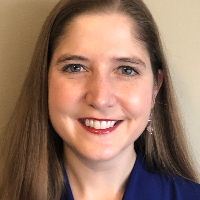
Tabitha Jameson
LIMHP
Practical, present-focused counseling with clear skills
Opens BetterHelp in a new tab, where you can review online therapy options.
- Strengths-based work
- Skill building
- Mindful approaches
About Tabitha
Tabitha sees many concerns such as anxiety, depression, grief, trauma and abuse, and addictions. She also supports people facing life changes, career stress, body image and eating issues, chronic illness, and parenting challenges. Anger is one of the areas she addresses alongside intimacy-related and family-of-origin difficulties.
Her approach is straightforward and collaborative. Sessions look at what is happening now and what small steps make a difference. She blends client-centered therapy with practical skills drawn from cognitive behavioral therapy and dialectical behavior therapy when helpful.
Tabitha also uses mindfulness and motivational interviewing to help people notice patterns and find internal motivation for change. These techniques aim to reduce reactivity, improve communication, and increase self-compassion. People who value clear, skills-based work often find this way of working useful.
She practices in Nebraska and offers services in English. Before beginning, clients complete a short matching questionnaire and then schedule sessions according to the therapist's availability. Costs vary by location and the service uses a subscription that can be canceled at any time.
Areas of expertise
Primary focus
Also works with
Additional focus areas
Therapeutic approaches
Experience
11+ years
Credentials
Nebraska
Languages
English
How therapeutic approaches shape online care
Client-centered therapy focuses on understanding each person's experience and building a trusting collaboration. The therapist listens closely, reflects what matters most, and helps clients shape goals that feel useful in daily life.Cognitive behavioral therapy (CBT) uses practical exercises to notice thought and behavior patterns. It helps with anxiety, depression, anger, and sleep or eating difficulties by teaching small, repeatable skills that change how someone responds to stress.
Dialectical behavior therapy (DBT) adds skills for regulating strong emotions and improving interpersonal effectiveness. It is often used when people struggle with intense reactions and need step-by-step tools to manage crises and steady relationships.
Choosing the right approach is part of the work. The therapist will collaborate with each client to identify goals, try approaches that fit, and adjust methods over time. That decision is based on the person's needs, preferences, and what proves helpful in sessions.
The original biography does not list specific online session formats, so confirm current options before booking. Many people find online work helps fit therapy into busy schedules, reduces travel time, and makes it easier to check in during a lunch break or between obligations. When considering online options, think about what will help you attend sessions regularly and get the most from the work.
At a glance
- Listed location
- Nebraska
- Experience
- 11+ years
- Credentials
- LIMHP
- Languages
- English
- License (Nebraska)
- LIMHP · No. 1370
- NPI
- 1962768788
As listed by the therapist. You can check a license with the state board and an NPI with the national registry.
Frequently asked questions
What kinds of problems does she address?
She works with stress, anxiety, depression, grief, trauma and abuse, addictions, anger, relationship and family concerns, and related issues such as body image and chronic illness.
What is her therapy style like?
Her style is present-focused and collaborative, emphasizing a person's strengths and practical steps to manage problems and reduce reactivity.
How much experience does she have?
Tabitha has 11 years of experience as a professional counselor working with a wide range of challenges.
What credentials and region are listed for this therapist?
She holds a LIMHP credential and practices in Nebraska.
In which languages can someone work with her?
Sessions are offered in English and international clients are accepted.
Which session formats are available?
The original biography does not specify session formats; please confirm current session options before booking.
How does payment and cost work?
Costs vary with location and therapist availability; sessions use a subscription that can be canceled at any time.
What are the first steps to begin working together?
Select the Start Therapy button, complete a short matching questionnaire, and schedule according to therapist availability.
Before you start
- Online talk therapy is not a court-ordered or mandated anger-management course, and it does not provide attendance certificates.
- Check that the location and license details above fit where you live.
- If anyone is at risk of being harmed, contact emergency services or a domestic-abuse helpline first. See the support lines for the US, UK and Australia.