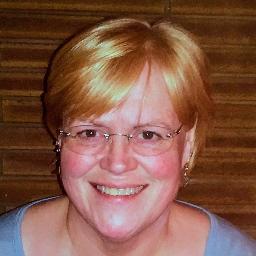
Susan Gallagher
LMHC
Calm support for strong emotions
Opens BetterHelp in a new tab, where you can review online therapy options.
- Grief and loss
- Anger management
- Life transitions
About Susan
Susan creates a calm, nonjudgmental setting where clients can talk about hard feelings. She uses a mix of common therapy methods to match what each person needs. Sessions typically involve talking through immediate problems and planning small, doable changes to daily routines.
With eight years of experience, she draws on work across grief, mood concerns such as depression and bipolar, and stress related to caregiving or career pressures. She also addresses relationship and intimacy-related worries, sexuality and gender questions, and challenges tied to neurodiversity such as autism and ADHD.
Susan uses Acceptance and Commitment Therapy, Client-Centered Therapy, Cognitive Behavioral Therapy, Motivational Interviewing, and Solution-Focused Therapy to guide sessions. That variety lets her adapt to different goals, from short-term coping to longer personal change.
People who come to her often want clear tools and steady encouragement. Susan aims to support clients in making choices that fit their values and daily life. She welcomes conversations in English and accepts international clients.
Areas of expertise
Primary focus
Also works with
Additional focus areas
Therapeutic approaches
Experience
8+ years
Credentials
Washington
Languages
English
How Susan’s Approaches Guide Online Therapy
Acceptance and Commitment Therapy (ACT) focuses on clarifying personal values and taking small actions that matter to you. It helps when emotions like anger or grief feel overwhelming and you want practical ways to live by what matters most.Client-Centered Therapy centers on listening and building trust through empathy and respect. This approach is useful for people who need a steady, nonjudgmental space to talk about sensitive topics such as identity, relationship concerns, or caregiver stress.
Cognitive Behavioral Therapy (CBT) helps identify unhelpful thinking and build new habits through short exercises and practice between sessions. CBT is often used for anxiety, low mood, and stress-related concerns where concrete tools can make a difference.
Choosing an approach is a collaborative process. The therapist will help figure out which methods fit best based on goals, current challenges, and personal preferences. Some clients use a blend of approaches over time as issues change.
Because the biography does not list specific session formats, confirm available options before booking. Online therapy can make fitting sessions into day-to-day life easier by removing travel and allowing appointments during work breaks or between errands. It can also allow shorter check-ins when you need quick support, or longer sessions for deeper topics. Talk with the therapist about what schedule and session length will work best for your routine and goals.
At a glance
- Listed location
- Washington
- Experience
- 8+ years
- Credentials
- LMHC
- Languages
- English
- License (Washington)
- LMHC · No. LH60928297
- NPI
- 1811556681
As listed by the therapist. You can check a license with the state board and an NPI with the national registry.
Frequently asked questions
What kinds of problems does she help with?
Susan works with concerns such as grief, anger, self-esteem, anxiety, depression, bipolar, and stress. She also addresses relationship and intimacy-related issues and a wide range of additional concerns listed on her profile.
What is her style in sessions?
She keeps sessions practical and person-centered, listening first and then offering strategies. Therapy often mixes talking, goal setting, and small behavioral steps to try between meetings.
How long has she been practicing?
Susan has eight years of professional experience since licensure, working with people on grief, anger, motivation, and life changes.
Where is she licensed and located?
She is a Licensed Mental Health Counselor (LMHC) in Washington and lists that state as her location.
Which languages are supported?
Sessions are offered in English. International clients are accepted.
What session formats are available?
The original biography does not specify session formats, so please confirm current session options before booking to know whether video, phone, or other formats are offered.
How does payment and cost work?
Cost varies with location and therapist availability. Sessions use a subscription that can be canceled at any time.
How do I begin working with her?
Start by selecting the Start Therapy button, completing a short matching questionnaire, and scheduling according to therapist availability.
Before you start
- Online talk therapy is not a court-ordered or mandated anger-management course, and it does not provide attendance certificates.
- Check that the location and license details above fit where you live.
- If anyone is at risk of being harmed, contact emergency services or a domestic-abuse helpline first. See the support lines for the US, UK and Australia.