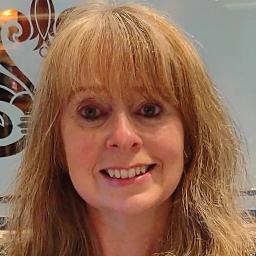
Susan Claridge
BACP
Experienced counsellor for strong emotions
Opens BetterHelp in a new tab, where you can review online therapy options.
- Warm and respectful
- Practical and reflective
- BACP registered
About Susan
Susan uses approaches drawn from client-centred therapy, psychodynamic work and solution-focused practice. That mix lets her focus on what is happening now, and also look at patterns that repeat over time. She adapts the way she works to match each person’s needs rather than using a one-size-fits-all method.
Her earlier career in social care spans over 30 years and includes supporting adults and carers in both community and residential settings. That experience informs how she responds to practical life pressures and caring responsibilities alongside emotional issues. It also includes work with survivors of abuse through charitable organisations.
Susan commonly helps people with depression, bipolar difficulties, relationship worries, addiction concerns, eating and sleep problems, and the stress of life changes. She also supports those coping with chronic illness, bereavement, attachment and abandonment concerns, and communication or control issues.
She is registered with the British Association for Counselling and Psychotherapy, abbreviated BACP. To begin, she asks people to describe what they hope to change and then agrees a way of working that fits their situation and goals.
Areas of expertise
Primary focus
Also works with
Additional focus areas
Therapeutic approaches
Experience
11+ years
Credentials
United Kingdom
Languages
English
How these approaches work for online counselling
Client-centred therapy puts your own experience and choices at the heart of sessions. The counsellor listens closely, reflects what you say and helps you identify what matters most. This approach suits issues such as low self-esteem, anger and relationship worries where personal insight and support are needed.Psychodynamic work looks at patterns that repeat over time and how early relationships affect current feelings. It can help when people notice recurring problems or when emotions feel linked to past experience rather than just the present moment.
Solution-focused therapy concentrates on small, practical steps and what will be different when things improve. It is useful for coping with immediate problems, managing stress, and setting short-term goals.
Finding the right mix is a collaborative process. The counsellor will ask about goals, what has or hasn’t helped before, and how you prefer to work. Together you will try ways of working that fit your needs and adjust over time if something isn’t helping.
If you are considering online sessions, confirm the specific session formats available before booking. Many people find online counselling easier to fit around work, caring duties and travel, and it can make short check-ins or weekly appointments simpler to manage. Registered or accredited professionals can often be flexible about session length and timing to suit everyday life.
At a glance
- Listed location
- United Kingdom
- Experience
- 11+ years
- Credentials
- BACP
- Languages
- English
- Registration (United Kingdom)
- BACP · No. 163771
As listed by the therapist. You can check a registration with the body that issued it.
Frequently asked questions
What kinds of problems does she help with?
Susan supports people facing stress, anxiety, anger and depression, along with relationship difficulties, grief and trauma. She also works with eating, sleeping and addiction concerns and many related life issues.
What is her therapeutic style like?
Her style is warm and empowering with a focus on openness and respect. Sessions combine looking at current problems and reflecting on patterns that may be linked to past experience.
How much clinical experience does she have?
She has eleven years of counselling experience and over 30 years working in social care supporting adults and carers in community and residential settings.
What credentials and location are listed?
She is registered with the British Association for Counselling and Psychotherapy, shown as BACP, and practises in the United Kingdom.
Which languages are offered for sessions?
Sessions are offered in English.
Can people outside the UK work with her?
She does not accept international clients at this time.
How much do sessions cost?
Cost varies with location and therapist availability; sessions use a subscription that can be cancelled at any time.
How do I begin if I want to work together?
Use the Start Therapy button, complete a short matching questionnaire, and then schedule sessions according to the therapist's availability.
Before you start
- Online talk therapy is not a court-ordered or mandated anger-management course, and it does not provide attendance certificates.
- Check that the location and registration details above fit where you live.
- If anyone is at risk of being harmed, contact emergency services or a domestic-abuse helpline first. See the support lines for the US, UK and Australia.