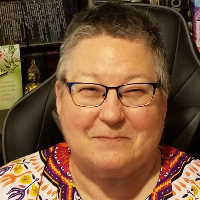
Sus Austill
LCSW
Calm, practical support for change
Opens BetterHelp in a new tab, where you can review online therapy options.
- Client-centered care
- Recovery perspective
- Mindfulness tools
About Sus
Her approach is practical and down to earth. Sessions focus on listening first, then adding tools that fit each person's situation. She draws on cognitive behavioral ideas, mindfulness, motivational interviewing, narrative techniques, and a client-centered stance to tailor the work to what the person actually needs.
Sus brings long personal experience with recovery and raising children, plus decades working in outpatient, residential, and inpatient settings. That mix shapes a flexible style that uses genograms, recovery-focused methods, and strategies for coping with moral injury, compassion fatigue, and PTSD when needed.
People come to her for substance use concerns, mood disorders like depression and bipolar, ADHD, grief, and relationship or family-of-origin issues. She also supports those facing caregiver stress, cancer-related issues, immigration challenges, and the isolation that can follow major life changes.
Her sessions aim to help people notice unhelpful patterns, practice new responses, and tell the stories that matter to them. Getting started involves a short matching questionnaire and scheduling a session according to availability. The subscription model used for sessions can be canceled at any time.
Areas of expertise
Primary focus
Also works with
Additional focus areas
Therapeutic approaches
Experience
37+ years
Credentials
Florida
Languages
English, Danish
How therapy approaches translate to online work
Client-centered therapy focuses on listening and following what the person needs. The therapist offers empathic attention and helps people name their priorities, which can make online sessions feel focused and practical.Cognitive Behavioral Therapy (CBT) looks at thoughts, feelings, and behaviors and teaches small experiments and skills to change unhelpful patterns. Online work can use worksheets, practice tasks, and short between-session exercises to reinforce what is learned in session.
Mindfulness therapy brings simple attention practices to reduce reactivity and improve awareness of emotional triggers. These techniques can be shared and practiced together during sessions and used as brief tools during the week.
Finding the right approach is a collaborative process. The therapist will listen to goals and preferences, try methods that seem to fit, and adjust over time based on what helps. Clients help shape the plan and can say when something needs to change.
The biography does not list specific session delivery methods, so confirm available formats before booking. Online work can make it easier to fit therapy into a busy life by reducing travel, allowing shorter check-ins on a break, or enabling access from a different time zone. It also lets the therapist share exercises, record steps for practice, and keep the focus on building new habits that carry into daily life.
At a glance
- Listed location
- Florida
- Experience
- 37+ years
- Credentials
- LCSW
- Languages
- English, Danish
- License (Florida)
- LCSW · No. SW11374
- NPI
- 1730639238
As listed by the therapist. You can check a license with the state board and an NPI with the national registry.
Frequently asked questions
What kinds of concerns does Sus help with?
She works with a range of issues including addictions, anger, trauma and abuse, grief, ADHD, anxiety, depression, relationship and family concerns, and caregiver stress.
What is her therapy style like?
Sessions start with listening and then move to practical tools. She blends client-centered listening with cognitive behavioral techniques, mindfulness, motivational interviewing, and narrative work.
How much experience does she have?
She has 37 years of clinical experience and many years of personal recovery and parenting experience that inform her work.
Where is she licensed and located?
She holds the LCSW credential and practices from Florida.
Which languages are supported in sessions?
Sessions are offered in English and Danish, and she accepts international clients.
What session formats are available?
The original biography does not list specific session formats, so confirm current options before booking to know how sessions are delivered.
How are sessions priced?
Cost varies with location and therapist availability; sessions use a subscription that can be canceled at any time.
How do I begin working with her?
Select the Start Therapy button, complete the short matching questionnaire, and schedule according to therapist availability.
Before you start
- Online talk therapy is not a court-ordered or mandated anger-management course, and it does not provide attendance certificates.
- Check that the location and license details above fit where you live.
- If anyone is at risk of being harmed, contact emergency services or a domestic-abuse helpline first. See the support lines for the US, UK and Australia.