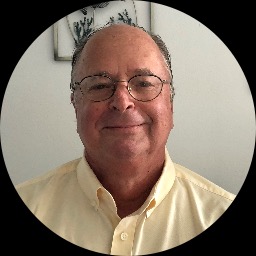
Stuart Marcus
LCSW
Calm guidance for strong emotions
Opens BetterHelp in a new tab, where you can review online therapy options.
- 35 years experience
- Florida and Illinois
- Helps manage anger
About Stuart
He focuses on practical, evidence-based techniques to help clients handle strong emotions and improve daily functioning. Sessions aim to identify patterns that keep problems going and to build simple skills for managing them. Conversations are straightforward and aimed at immediate, useful change rather than long lectures.
Stuart often works with people coping with trauma, family conflict, parenting strain, bipolar disorder, and attention differences. He also addresses concerns such as abandonment, adoption and foster care issues, caregiver stress, codependency, and communication or control problems. He tailors work to the situation a person brings to each session.
His style is collaborative and nonjudgmental. He listens first, then helps people set short-term goals and practical steps they can try between meetings. He encourages small experiments that lead to better emotional balance and clearer communication.
Stuart accepts international clients and offers sessions in English. To begin, people use the site Start Therapy button, complete a short matching questionnaire, and schedule sessions according to his availability.
Areas of expertise
Primary focus
Also works with
Additional focus areas
Experience
35+ years
Credentials
Illinois, Florida
Languages
English
Approaches that help manage emotions and anger
Stuart draws on practical, evidence-based therapeutic techniques that focus on changing unhelpful patterns and building emotional skills. One common approach helps people notice triggers and bodily signs of anger, then learn short strategies to reduce intensity and respond differently in the moment. This method is useful for managing strong emotions and lowering conflict in relationships.Another approach emphasizes skills training for coping with anxiety, mood swings, and stress. It breaks larger problems into small, doable steps such as breathing exercises, behavioral experiments, and communication practices that can be tried between sessions. These tools are aimed at improving daily functioning and emotional balance.
Finding the right approach is a collaborative process. Stuart will work with each person to choose methods that fit their needs, goals, and preferences, and he regularly checks in to adjust the plan based on what is or is not helping.
Session logistics should be confirmed before booking because the biography does not list specific formats. Many people find online sessions useful for fitting therapy into a busy life, such as shorter check-ins during a break or not needing to travel to an office. Talk with Stuart about what will work best for scheduling and the structure of sessions.
At a glance
- Listed location
- Florida
- Experience
- 35+ years
- Credentials
- LCSW
- Languages
- English
- License (Illinois)
- LCSW · No. 149002046
- License (Florida)
- LCSW · No. SW19916
- NPI
- 1073705133
As listed by the therapist. You can check a license with the state board and an NPI with the national registry.
Frequently asked questions
What concerns can Stuart help with?
He helps people with stress, anxiety, depression, anger, addictions, relationship and family conflicts, trauma and abuse, bipolar disorder, and ADHD.
What is his therapeutic style like?
He uses a collaborative, straightforward style that emphasizes listening, setting short-term goals, and practicing practical skills between sessions.
How much clinical experience does he have?
He has 35 years of professional work experience in behavioral health and social work settings.
What credentials and location apply?
He is a Licensed Clinical Social Worker, LCSW, licensed in Florida and Illinois and practices from Florida.
Which languages are supported and can he see international clients?
Sessions are offered in English and he accepts international clients.
What session formats are available?
The original biography does not specify session formats, so confirm current session options before booking.
How does cost work for sessions?
Cost varies with location and therapist availability; sessions use a subscription that can be canceled at any time.
How do I get started with therapy?
Select the Start Therapy button, complete a short matching questionnaire, and schedule according to the therapist's availability.
Before you start
- Online talk therapy is not a court-ordered or mandated anger-management course, and it does not provide attendance certificates.
- Check that the location and license details above fit where you live.
- If anyone is at risk of being harmed, contact emergency services or a domestic-abuse helpline first. See the support lines for the US, UK and Australia.