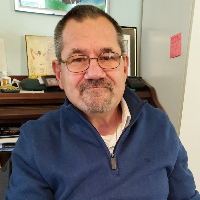
Steven Paro
LCSW
Experienced LCSW focused on practical solutions
Opens BetterHelp in a new tab, where you can review online therapy options.
- Anger management help
- Strength-based approach
- Practical coping skills
About Steven
He draws on client-centered methods, which mean sessions are guided by each person's needs and pace. He also uses cognitive behavioral ideas to identify unhelpful thinking and change reactions. Acceptance and Commitment Therapy and Dialectical Behavior Therapy tools are part of his toolbox for managing strong emotions and building coping skills.
Steven has worked with people facing depression, anxiety, substance use, grief, trauma, and life transitions over a long clinical career. He has experience supporting people who struggle with addiction and with neurodevelopmental differences, including autism spectrum conditions. His background includes work with individuals experiencing loss of spiritual direction who wish to reconnect with Christian values.
Sessions focus on clear steps - learning new ways to respond, practicing coping skills, and setting achievable goals. Steven prioritizes a supportive atmosphere where progress is measured in small changes. He believes people can learn and grow regardless of the difficulty they face.
Based in New York, Steven brings 46 years of practice as an LCSW to his work. He encourages prospective clients to consider their immediate needs and goals when deciding whether to reach out.
Areas of expertise
Also works with
Additional focus areas
Therapeutic approaches
Experience
46+ years
Credentials
New York
Languages
English
How therapeutic approaches guide online sessions
Acceptance and Commitment Therapy (ACT) focuses on helping people accept difficult feelings while moving toward values-based action. It can help with anger, anxiety, and life transitions by teaching ways to notice thoughts without being driven by them. Cognitive Behavioral Therapy (CBT) looks at thoughts, feelings, and behaviors together and teaches concrete skills to change unhelpful patterns, which can reduce reactive anger and low mood. Eye Movement Desensitization and Reprocessing (EMDR) addresses traumatic memories through structured processing and can be used when trauma is a central concern.Finding the right approach is part of the work. The therapist will collaborate with each person to choose techniques that match their needs, goals, and comfort level. That may mean trying a few methods and adjusting as progress is made.
Confirm the exact session options before booking since formats are not listed in the biography. Online therapy can make it easier to fit appointments into a busy week, reduce travel time, and allow focused check-ins during a lunch break or between other commitments. It also supports continuity of care when life changes make in-person visits difficult. Licensed professionals adapt exercises, homework, and practical tools so progress continues across sessions, whether meeting remotely or in person.
At a glance
- Listed location
- New York
- Experience
- 46+ years
- Credentials
- LCSW
- Languages
- English
- License (New York)
- LCSW · No. 021454
- NPI
- 1376650259
As listed by the therapist. You can check a license with the state board and an NPI with the national registry.
Frequently asked questions
What concerns does Steven help with?
He supports people dealing with stress, anxiety, anger, depression, addictions, trauma, grief, relationship and intimacy-related issues, and related concerns listed in his profile.
What is his general approach in sessions?
Sessions are practical and client-centered, focusing on solutions the person brings. Techniques from CBT, ACT, and DBT are used to teach skills and change patterns.
What kind of background does he have?
He has 46 years of clinical experience working with depression, anxiety, substance use, trauma, grief, and neurodevelopmental challenges.
Where is he licensed and located?
He is an LCSW licensed in New York and practices from that location.
Which languages are supported?
Sessions are offered in English.
Can international clients work with him?
He is not currently accepting international clients.
How does cost and billing work?
Cost varies with location and therapist availability; sessions use a subscription that can be canceled at any time.
How do I begin working with him?
Choose the Start Therapy button, complete a short matching questionnaire, and schedule according to the therapist's availability.
Before you start
- Online talk therapy is not a court-ordered or mandated anger-management course, and it does not provide attendance certificates.
- Check that the location and license details above fit where you live.
- If anyone is at risk of being harmed, contact emergency services or a domestic-abuse helpline first. See the support lines for the US, UK and Australia.