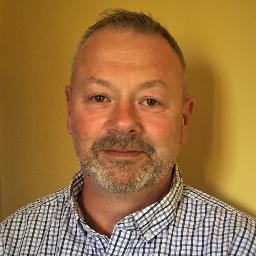
Stephen (Steve) Rudkin
BACP, NCPS
Experienced person-centred counsellor
Opens BetterHelp in a new tab, where you can review online therapy options.
- Person-centred focus
- Psychodynamic perspective
- Mindfulness techniques
About Stephen
He has 26 years of experience across health, social care, education and secure settings, alongside private practice. That work included drug and alcohol services, mental health, advocacy, nursing, domestic abuse, and child and family services. This background informs how he notices patterns and tailors the work to each person.
Sessions can be short term for a specific issue or longer term for deeper change. Steve listens closely and helps clients identify what is causing distress. He then shapes a plan using techniques from different therapies to fit the person’s needs.
Common concerns he helps people work through include stress, anxiety, addiction, relationship difficulties, trauma, depression, grief and anger. He also addresses issues such as attachment, codependency, fatherhood concerns and process addictions when relevant to the client.
Steve is a member of the British Association for Counselling and Psychotherapy, BACP, and the National Counselling & Psychotherapy Society, NCPS. He practises in the United Kingdom and works with people in English. To begin, clients follow the site process to match with him and schedule sessions according to availability.
Areas of expertise
Primary focus
Also works with
Additional focus areas
Therapeutic approaches
Experience
26+ years
Credentials
United Kingdom, United Kingdom
Languages
English
How his approaches translate to online counselling
Client-Centred Therapy focuses on respectful listening and helping people find their own solutions. Online sessions let the counsellor follow the client’s lead, reflect what they say, and build a trusting working relationship. This approach suits stress, relationship issues and self-esteem concerns.Mindfulness Therapy involves learning simple attention skills to manage strong emotions and reduce reactivity. In an online setting, the counsellor can teach short exercises and guide practice between sessions to help with anxiety, anger and cravings related to addiction.
Psychodynamic ideas are about noticing repeating patterns and links to past experiences. Discussing these patterns online can help people understand why they react in certain ways and try new responses in daily life.
Finding the right approach is a collaborative process. The therapist will work with the client to test what helps, adjust methods, and set practical goals based on the person’s needs and preferences. This partnership makes it easier to try different ways of working until a good fit is found.
Confirm the available session formats before booking as the biography does not list them explicitly. Online work can make it easier to fit therapy into a busy life, reduce travel time and allow shorter check-ins when needed. Discussing how sessions will work is part of the initial arrangements so they match everyday commitments.
At a glance
- Listed location
- United Kingdom
- Experience
- 26+ years
- Credentials
- BACP, NCPS
- Languages
- English
- Registration (United Kingdom)
- BACP · No. 158735
- Registration (United Kingdom)
- NCPS · No. NCS23-04343
As listed by the therapist. You can check a registration with the body that issued it.
Frequently asked questions
What concerns does he commonly help with?
He works with a wide range of issues including stress, anxiety, addiction, relationship difficulties, trauma, depression, grief and anger. Additional focuses include attachment, codependency and process addictions.
What is his therapy style like?
The work is person-centred with psychodynamic and mindfulness influences. Sessions focus on listening, exploring patterns, and using techniques that suit the person’s needs.
How much experience does he have?
He has 26 years of experience in health, social care, education, secure settings and private practice, including work in drug and alcohol services and domestic abuse services.
Where does he practise and what credentials does he hold?
He practises in the United Kingdom and holds memberships with BACP and NCPS as shown in his profile.
Can sessions be conducted in languages other than English?
Sessions are offered in English.
Are international clients supported?
He accepts international clients, so people outside the UK can enquire about working together.
How are sessions scheduled and what does it cost?
Cost varies with location and therapist availability; sessions use a subscription that can be cancelled at any time. Exact pricing is provided through the site when matching and scheduling.
How do I start a course of sessions?
Use the Start Therapy button, complete the short matching questionnaire, then schedule sessions according to the therapist’s availability.
Before you start
- Online talk therapy is not a court-ordered or mandated anger-management course, and it does not provide attendance certificates.
- Check that the location and registration details above fit where you live.
- If anyone is at risk of being harmed, contact emergency services or a domestic-abuse helpline first. See the support lines for the US, UK and Australia.