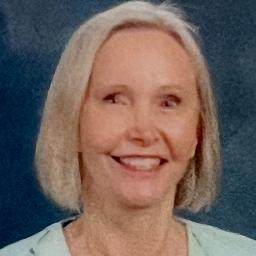
Stacy Freeland
LPC
Calm, practical therapy focused on change
Opens BetterHelp in a new tab, where you can review online therapy options.
- Strengths focused
- Practical tools
- Values based
About Stacy
She believes the person knows their own story best and treats clients as partners in change. Sessions aim to build coping skills, clarify values, and reduce patterns that get in the way of daily life. Stacy speaks plainly and supports steps that feel doable for each person.
With four years of experience, Stacy draws on several common therapy approaches to match what a person needs. She often uses methods that focus on thoughts and behaviors, present-moment awareness, and practical goal-setting. Those tools are adapted to the concerns brought to session, such as anger, sleep problems, or relationship stress.
People come to her for a range of issues from parenting strain and caregiving stress to career concerns and grief. Stacy also addresses identity and intimacy-related issues, ADHD, and chronic health challenges where they affect mood and daily functioning. Her focus is on making small, steady changes that add up.
Stacy offers a straightforward, supportive style that aims to empower people to take the next steps. She invites anyone curious about change to begin by sharing what they want to see different, then co-create a plan that fits their life.
Areas of expertise
Also works with
Additional focus areas
Therapeutic approaches
Experience
4+ years
Credentials
Missouri
Languages
English
How Stacy’s Approaches Translate to Online Therapy
Stacy commonly uses Acceptance and Commitment Therapy and Cognitive Behavioral Therapy in straightforward ways. Acceptance and Commitment Therapy helps people notice what matters most to them and take small steps toward those values, which can support anger management and life transitions. Cognitive Behavioral Therapy focuses on the links between thoughts, feelings, and behaviors and teaches practical strategies to change unhelpful patterns such as worry or avoidance.Finding the right approach is part of the work together. Stacy will talk with each person about goals and preferences, then try methods that fit their needs. That collaborative process makes it easier to adjust tools and homework so they feel useful in day-to-day life.
If you are considering online sessions, confirm the current session options before booking since formats are not specified in the biography. Online work can make it simpler to fit therapy into a busy schedule, allow shorter check-ins when needed, and remove travel time. It can also let people try techniques, track progress, and practice skills between meetings in ways that match their routine.
At a glance
- Listed location
- Missouri
- Experience
- 4+ years
- Credentials
- LPC
- Languages
- English
- License (Missouri)
- LPC · No. 2003031564
- NPI
- 1447966791
As listed by the therapist. You can check a license with the state board and an NPI with the national registry.
Frequently asked questions
What concerns does Stacy help with?
She works with stress, anxiety, addictions, trauma, depression, anger, and many related concerns listed in her profile.
What is her general therapy style?
Stacy uses a collaborative, down-to-earth approach that focuses on skills, values, and practical steps to reduce unhelpful patterns.
How much clinical experience does she have?
She has four years of professional experience as a Licensed Professional Counselor in Missouri.
What credentials and location are listed?
The therapist holds the LPC credential and practices in Missouri.
Which languages are supported for sessions?
Sessions are offered in English.
Can international clients work with her?
International clients are not currently accepted.
How are costs handled?
Cost varies by location and therapist availability, and sessions use a subscription that can be canceled at any time.
How do I begin working with her?
Click the Start Therapy button, complete a short matching questionnaire, and then schedule according to the therapist's availability.
Before you start
- Online talk therapy is not a court-ordered or mandated anger-management course, and it does not provide attendance certificates.
- Check that the location and license details above fit where you live.
- If anyone is at risk of being harmed, contact emergency services or a domestic-abuse helpline first. See the support lines for the US, UK and Australia.