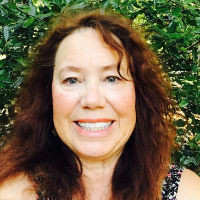
Sherry Friedman
LPC, LCMHC
Experienced counselor for strong emotions
Opens BetterHelp in a new tab, where you can review online therapy options.
- Emotion-focused listening
- Practical coping skills
- Heart-centered approach
About Sherry
Sherry uses a mix of approaches that center on emotional understanding and practical skills. She draws on attachment-based ideas to look at how early relationships shape current reactions. She also uses elements of Dialectical Behavior Therapy to teach emotion regulation and mindfulness to reduce reactivity.
In sessions she keeps language plain and direct. She helps people name their feelings, spot unhelpful patterns, and try small changes that make daily life easier. She often links insights from life stories to concrete steps clients can use between meetings.
Sherry is comfortable addressing stress, parenting concerns, career strain, mood challenges, and issues related to trauma, ADHD, or identity. She also supports people dealing with shame, abandonment themes, and relationship communication problems. Her goal is to help clients move toward clearer goals and better emotional balance.
Clients who prefer a reflective, heart-centered style may find her approach helpful. She encourages honest curiosity about inner life and supports people as they try new ways of coping and relating.
Areas of expertise
Primary focus
Also works with
Additional focus areas
Therapeutic approaches
Experience
12+ years
Credentials
North Carolina, South Carolina, Rhode Island
Languages
English
How her approaches shape online care
Sherry blends attachment-based work and dialectical behavior therapy principles to guide sessions. Attachment-based work focuses on how early relationships affect how people react now, helping clients understand why they feel easily hurt or reactive. Dialectical Behavior Therapy, or DBT, teaches concrete skills for managing intense emotions, improving distress tolerance, and sharpening emotion regulation.Finding the right approach is part of therapy. Sherry works collaboratively to decide which methods fit each person. She discusses needs, goals, and preferences, then adjusts the mix of insight and skills so the work feels useful and doable.
The original biography does not list specific online session formats, so confirm available options before booking. Online work can still make it easier to fit sessions into a busy life, whether that means shorter check-ins, scheduling around work hours, or avoiding travel time. Many people find that doing therapy from their usual routine helps them practice new skills in real situations. Licensed professionals can adapt exercises, mindfulness practices, and emotion-regulation tools for remote sessions to keep the work practical and focused.
At a glance
- Listed location
- North Carolina
- Experience
- 12+ years
- Credentials
- LPC, LCMHC
- Languages
- English
- License (North Carolina)
- LCMHC · No. 12786
- License (South Carolina)
- LPC · No. 9015
- License (Rhode Island)
- LMHC · No. MHC01614
- NPI
- 1730627068
As listed by the therapist. You can check a license with the state board and an NPI with the national registry.
Frequently asked questions
What kinds of concerns does she help with?
She works with stress, anxiety, depression, mood disorders, and anger. She also addresses trauma, grief, parenting strain, career issues, and ADHD-related challenges.
What is her therapeutic style like?
Her style is warm and interactive with an emphasis on listening and compassion. She mixes insight work with practical skills so clients leave with steps to try between sessions.
How much clinical experience does she have?
She has 12 years of experience working with people on emotional and life challenges. That background informs her blend of psychodynamic and skills-based work.
What credentials and location should I know about?
She holds LPC and LCMHC credentials and practices in North Carolina. Those credentials are listed as LPC and LCMHC.
Are sessions offered in other languages or internationally?
Sessions are offered in English. International clients are not currently accepted.
Which session formats are available?
The original biography does not list specific session formats. Please confirm current session options with the platform before booking.
How is cost handled for sessions?
Cost varies with location and therapist availability, and sessions use a subscription that can be canceled at any time.
How do I begin working with her?
Choose the Start Therapy button, complete a short matching questionnaire, and then schedule according to the therapist's availability.
Before you start
- Online talk therapy is not a court-ordered or mandated anger-management course, and it does not provide attendance certificates.
- Check that the location and license details above fit where you live.
- If anyone is at risk of being harmed, contact emergency services or a domestic-abuse helpline first. See the support lines for the US, UK and Australia.