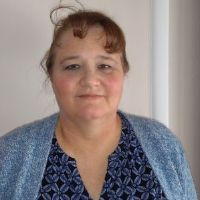
Shaun Cunningham
LMHP
Compassionate therapist for stress and anger
Opens BetterHelp in a new tab, where you can review online therapy options.
- Client-centered approach
- Skill-based strategies
- Makes goals practical
About Shaun
She listens first and tailors each session to what matters most to the person in front of her. Shaun mixes practical skills with deeper conversation so people can make small changes that add up. She draws on techniques that teach new ways to respond to difficult thoughts and strong emotions.
Shaun has spent many years working with people affected by trauma, addiction, caregiver stress, and complicated family issues. That experience informs how she helps clients build coping skills, improve communication, and address recurring patterns such as codependency or control problems. She also supports those coping with loss, emptiness, and compassion fatigue.
Her work uses a blend of client-centered listening, cognitive behavioral strategies, mindfulness practices, and motivational interviewing. These methods are used to set clear goals, practice new skills between sessions, and track progress over time. Shaun brings patience and directness to help people move toward clearer direction.
Shaun practices in Nebraska as an LMHP and provides care in English. People who want to begin can use the Start Therapy button, complete a short matching questionnaire, and schedule according to therapist availability.
Areas of expertise
Primary focus
Also works with
Additional focus areas
Therapeutic approaches
Experience
25+ years
Credentials
Nebraska
Languages
English
Approaches that guide online work and goals
Client-centered therapy places the person's experience at the center of sessions. The therapist listens carefully, reflects what is heard, and helps the client decide which changes feel right. This approach supports issues like low self-esteem, identity questions, and relationship difficulties.Cognitive behavioral therapy focuses on identifying unhelpful thinking patterns and testing new behaviors. It gives clear, practical exercises to reduce anxiety, manage anger, and address depressive habits. Mindfulness therapy teaches attention and grounding skills to ease intense emotions and improve sleep and stress responses.
Shaun approaches decisions about method as a collaborative process. She will discuss different ways of working and help select approaches that match the client's goals and preferences. That conversation is part of the early sessions so therapy fits the person's needs.
Session formats are not listed in the biography, so confirm current options before booking. In general, online work can make it easier to fit therapy into a busy day, allow shorter check-ins when needed, and reduce travel time. Therapists also often suggest simple between-session practices clients can use in everyday moments to support progress.
At a glance
- Listed location
- Nebraska
- Experience
- 25+ years
- Credentials
- LMHP
- Languages
- English
- License (Nebraska)
- LMHP · No. 2194
- NPI
- 1447493853
As listed by the therapist. You can check a license with the state board and an NPI with the national registry.
Frequently asked questions
What issues does Shaun commonly help with?
She works with concerns such as stress, anxiety, anger, depression, grief, relationship strain, parenting stress, and addiction-related problems.
How would you describe Shaun's therapy style?
Her style combines attentive listening with practical tools. Sessions often include goal setting, skill practice, and reflective conversation.
What experience does Shaun bring to sessions?
Shaun has 25 years of professional experience working with trauma, family issues, caregiver stress, and addiction-related challenges.
What credentials and location are listed?
She is an LMHP licensed in Nebraska and provides services from that state.
Which languages are available for sessions?
Sessions are offered in English.
Can people outside the United States work with Shaun?
International clients are not currently accepted.
How are sessions paid for and what does it cost?
Cost varies with location and therapist availability; sessions use a subscription that can be canceled at any time.
How do I begin working with Shaun?
Use the Start Therapy button, complete a short matching questionnaire, and schedule according to therapist availability.
Before you start
- Online talk therapy is not a court-ordered or mandated anger-management course, and it does not provide attendance certificates.
- Check that the location and license details above fit where you live.
- If anyone is at risk of being harmed, contact emergency services or a domestic-abuse helpline first. See the support lines for the US, UK and Australia.