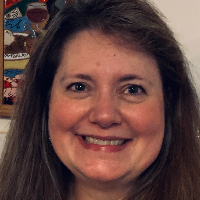
Sharron Lewis
LCSW
Experienced LCSW helping manage anger and stress
Opens BetterHelp in a new tab, where you can review online therapy options.
- Body-mind focus
- Practical skills
- Warm collaborative care
About Sharron
Areas of expertise
Primary focus
Also works with
Additional focus areas
Therapeutic approaches
Experience
24+ years
Credentials
Louisiana
Languages
English
How therapeutic approaches translate to online work
Acceptance and Commitment Therapy (ACT) focuses on clarifying values and learning to accept difficult thoughts while taking committed action. It can help with anger, anxiety, and life changes by teaching small steps that align with what matters most. Cognitive Behavioral Therapy (CBT) looks at the link between thoughts, feelings, and behaviors and uses practical exercises to change unhelpful patterns. It is useful for managing anxiety, depression, and sleep problems. Dialectical Behavior Therapy (DBT) offers skills in emotion regulation, distress tolerance, and interpersonal effectiveness, which can reduce reactivity and improve communication.Finding the best approach is part of the work together. The therapist will talk with each person about goals, preferences, and what has or hasn’t helped before. This collaborative process guides which methods and exercises to try first and what to adjust over time.
The original biography does not list specific session formats, so please confirm current options before booking. Online work can make it easier to fit therapy into a busy life by removing travel time and allowing sessions during breaks or from a quieter location. It also lets people practice skills in the settings where problems come up and return between sessions with observations to discuss.
At a glance
- Listed location
- Louisiana
- Experience
- 24+ years
- Credentials
- LCSW
- Languages
- English
- License (Louisiana)
- LCSW · No. 8207
- NPI
- 1306984513
As listed by the therapist. You can check a license with the state board and an NPI with the national registry.
Frequently asked questions
What concerns does this therapist address?
Sharron supports people facing anger, stress, anxiety, depression, trauma and abuse, addictions, grief, sleep problems, parenting strain, relationship and intimacy issues, and other life challenges.
What is the therapy style and approach?
She uses a mix of Cognitive Behavioral Therapy, Dialectical Behavior Therapy, Acceptance and Commitment Therapy, attachment-based ideas, and client-centered methods. Sessions focus on skills, body-mind awareness, and practical exercises.
How much experience does the clinician have?
Sharron has 24 years of experience in behavioral health settings including inpatient psychiatry, community mental health, child welfare, hospitals, and leadership of an Intensive Outpatient Program.
What credentials and location apply?
She is a Licensed Clinical Social Worker (LCSW) practicing in Louisiana and holds a Master of Social Work from the University of Washington.
Which languages are supported and are international clients served?
Sessions are offered in English. International clients are not currently accepted.
What session formats are available?
The original biography does not list specific session formats. Please confirm current session options before booking to know whether online, phone, or in-person meetings are available.
How is cost handled for sessions?
Cost varies with location and therapist availability; sessions use a subscription model that can be canceled at any time.
How do I begin working with this therapist?
Use the Start Therapy button, complete a short matching questionnaire, and schedule according to the therapist's availability.
Before you start
- Online talk therapy is not a court-ordered or mandated anger-management course, and it does not provide attendance certificates.
- Check that the location and license details above fit where you live.
- If anyone is at risk of being harmed, contact emergency services or a domestic-abuse helpline first. See the support lines for the US, UK and Australia.