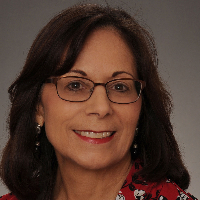
Sharon Carroll
LPC, LPCC
Support for relationship and life change
Opens BetterHelp in a new tab, where you can review online therapy options.
- Focus on relationships
- Practical steps
- Collaborative goals
About Sharon
Sharon offers a calm, nonjudgmental space to talk through hurts, losses, and daily stresses. She meets people where they are and works with them to name goals, uncover strengths, and practice new ways of relating. Sessions focus on practical steps that can be used between appointments.
Her background blends psychology and business. She holds a Master of Arts in Psychology from Houston Christian University, an MBA from Rice University, and a Bachelor of Science in Business Administration from the University of Southern California. Sharon has 18 years of clinical experience and is also a Certified Life Coach.
She adapts her style to what resonates with each person, drawing from several approaches such as attachment work, emotion-focused methods, and cognitive tools. Sharon has led grief groups, career transition groups, and has facilitated work based on Brené Brown’s ideas about vulnerability and shame resilience.
Many people come to her for help with relationship strain, parenting challenges, anger, grief, anxiety, and major life changes. Her aim is to help clients rebuild emotional resilience and find clearer, more fulfilling ways of living.
Areas of expertise
Primary focus
Also works with
Additional focus areas
Therapeutic approaches
Experience
18+ years
Credentials
Texas, California
Languages
English
How certain approaches translate to online work
Attachment-Based Therapy helps people notice and change patterns in close relationships by exploring how early bonds shape current reactions. It often helps when trust, closeness, or repeated conflict are central concerns. Client-Centered Therapy emphasizes listening and acceptance so the client can explore goals at their own pace; it supports people who need space to process feelings and make decisions. Cognitive Behavioral Therapy (CBT) focuses on practical skills to change unhelpful thoughts and behaviors, and it can help with anxiety, anger, and mood shifts.Choosing the right approach is part of the work together. The therapist will talk with the client about their goals and preferences and then try methods that fit those needs. That collaborative process means the plan can change as progress and challenges appear.
Confirm current session options before booking so you know what formats are available. Online therapy can make scheduling easier and help sessions fit into busy lives. It can reduce commute time, allow quicker check-ins between meetings, and make it simpler to keep consistent appointments during career or caregiving transitions. Licensed professionals can guide which techniques translate best to remote sessions and will adapt exercises and homework to work in a person’s everyday routines.
At a glance
- Listed location
- California
- Experience
- 18+ years
- Credentials
- LPC, LPCC
- Languages
- English
- License (Texas)
- LPC · No. 63476
- License (California)
- LPCC · No. 17363
- NPI
- 1124647151
As listed by the therapist. You can check a license with the state board and an NPI with the national registry.
Frequently asked questions
What kinds of concerns does Sharon help with?
She works with relationship problems, grief, anger, anxiety, depression, parenting challenges, career transitions, and stress from caregiving or compassion fatigue.
How would you describe Sharon's therapeutic style?
Her style is warm and collaborative. She blends attachment-informed listening, emotion-focused work, and cognitive strategies to match what helps each person most.
What is her clinical background and experience?
She has 18 years of experience and has led groups on grief and career change. She also integrates coaching techniques alongside counseling.
What credentials and region does Sharon work from?
She holds LPC and LPCC credentials and practices in California.
Can I work with her in a language other than English?
Sessions are offered in English.
Are international clients supported?
She is not accepting international clients at this time.
How does payment and cost work?
Cost varies with location and therapist availability; sessions use a subscription that can be canceled at any time.
How do I begin working with Sharon?
Click the Start Therapy button, complete a short matching questionnaire, and schedule according to therapist availability.
Before you start
- Online talk therapy is not a court-ordered or mandated anger-management course, and it does not provide attendance certificates.
- Check that the location and license details above fit where you live.
- If anyone is at risk of being harmed, contact emergency services or a domestic-abuse helpline first. See the support lines for the US, UK and Australia.