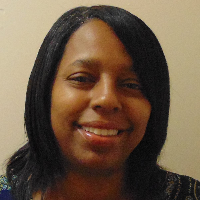
Sebrina Johnson
LPC
Compassionate counselor for practical change
Opens BetterHelp in a new tab, where you can review online therapy options.
- Warm and accepting
- Goal oriented
- Trauma informed
About Sebrina
She earned a master’s degree in Counseling from Spring Arbor University and has provided care in community mental-health agencies, residential shelter programs, and group settings. Much of her work has focused on adolescents and adults who have experienced trauma, anxiety, or depression. That variety of settings shaped her practical approach to everyday problems.
In sessions she offers acceptance and a nonjudgmental attitude. She uses techniques from client-centered work and cognitive behavior approaches to help people identify patterns and plan changes. She also draws on emotionally-focused ideas and solution-focused strategies to repair relationships and set clear goals.
Sabrina encourages active participation. She asks questions, reflects what she hears, and helps people try small changes between meetings. Her goal is to help people build skills, improve relationships, and feel more in control of daily life.
She describes her style as flexible and respectful. Sebrina supports clients as they set and work toward concrete steps. People looking for steady, collaborative help with anger, parenting, or coping with life changes may find her approach practical and straightforward.
Areas of expertise
Primary focus
Also works with
Additional focus areas
Therapeutic approaches
Experience
14+ years
Credentials
Michigan
Languages
English
Approaches that guide online work
Client-centered therapy centers the person's experience and focuses on listening, acceptance, and supporting each person's own goals. It helps when someone needs a calm, nonjudgmental space to sort through feelings and figure out next steps.Cognitive Behavioral Therapy (CBT) looks at thought and behavior patterns and helps people try small experiments to change unhelpful routines. This approach can be useful for anxiety, depression, anger, and trouble with daily coping.
Emotionally-Focused Therapy (EFT) concentrates on understanding emotional responses in relationships and improving connection and communication. It often helps people who want to repair or deepen close relationships.
Finding the right approach is part of the work. The therapist will collaborate with the client to pick methods that fit the person’s goals, needs, and comfort level. That may mean combining ideas from different approaches and adjusting as progress is made.
Because specific session formats were not listed in the biography, confirm available online options before booking. Online sessions can make it easier to fit therapy into a busy schedule, allow shorter check-ins when needed, and reduce travel time. Discussing how sessions will be scheduled and what to expect helps make remote work feel practical and manageable.
At a glance
- Listed location
- Michigan
- Experience
- 14+ years
- Credentials
- LPC
- Languages
- English
- License (Michigan)
- LPC · No. 6401011337
- NPI
- 1376146829
As listed by the therapist. You can check a license with the state board and an NPI with the national registry.
Frequently asked questions
What kinds of problems does she help with?
Sebrina works with concerns such as stress, anxiety, depression, anger, trauma, relationship issues, parenting strain, grief, addictions, and life changes among others.
What is her therapeutic style like?
She describes a warm, compassionate, and nonjudgmental style that focuses on acceptance and client participation. Sessions emphasize practical steps and respectful conversation.
How much experience does she have?
She has 14 years of experience in the human services field, including work in residential shelter programs and community mental-health agencies.
What credentials and region apply?
She holds the LPC credential and practices in Michigan.
Which languages are offered and can international clients join?
Sessions are offered in English and she is not accepting international clients.
What session formats are available?
Session formats are not specified in the biography; please confirm the current session options with the service before booking.
How are fees handled?
Cost varies with location and therapist availability, and sessions use a subscription that can be canceled at any time.
How do I begin working with her?
Select the Start Therapy button, complete a short matching questionnaire, and schedule according to the therapist's availability.
Before you start
- Online talk therapy is not a court-ordered or mandated anger-management course, and it does not provide attendance certificates.
- Check that the location and license details above fit where you live.
- If anyone is at risk of being harmed, contact emergency services or a domestic-abuse helpline first. See the support lines for the US, UK and Australia.