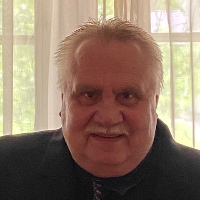
Scott Heise
LCPC
Practical, compassionate counseling for life challenges
Opens BetterHelp in a new tab, where you can review online therapy options.
- Goal oriented
- Client centered
- Faith integrated
About Scott
Scott keeps sessions practical and focused on goals. He uses a warm, nonjudgmental style and works to build trust quickly. He can incorporate faith and prayer when clients request a Christian perspective and values humor alongside empathy.
He uses straightforward techniques drawn from client-centered work, cognitive behavioral strategies, and dialectical behavior ideas. That means he helps people notice unhelpful thoughts, try small behavior changes, and practice skills for strong emotion regulation. He also draws on existential and mindfulness ideas when they fit a person's goals.
Scott's background includes long-term work in community mental health settings where he supported people with mood disorders, PTSD, personality and substance use concerns, and a range of life stresses. This practical experience informs how he sets realistic steps and checks progress.
In early sessions he helps clients set clear objectives and creates a plan together. Follow-up work focuses on practicing skills, adjusting strategies, and tracking what helps. He aims to empower people to handle life changes and regain a sense of control.
Areas of expertise
Primary focus
Also works with
Additional focus areas
Therapeutic approaches
Experience
14+ years
Credentials
Illinois
Languages
English
How therapeutic approaches translate to online work
Client-Centered Therapy focuses on listening and building a respectful, nonjudgmental relationship. Online sessions following this approach prioritize the client's goals and let the conversation shape the work. Cognitive Behavioral Therapy (CBT) looks at the link between thoughts, feelings, and actions. In an online setting CBT often uses clear agendas, homework assignments, and brief skill drills to help manage anxiety, depression, and anger. Dialectical Behavior Therapy (DBT) emphasizes emotion regulation, distress tolerance, and better interpersonal skills. Online DBT-style work can teach practical skills and offer step-by-step practice for strong emotions.Finding the right mix of approaches is part of the process. The therapist will collaborate with each person to pick strategies that match their needs, goals, and comfort level. That means trying approaches, reviewing what helps, and adjusting the plan together.
The original biography does not list specific online session formats, so confirm current options before booking. Online work can make it easier to fit therapy into a busy life, shorten travel time, and allow for flexible scheduling around work or caregiving. It also lets therapists assign digital homework and follow up on skill practice between sessions. Discuss format preferences when scheduling to choose what will work best for daily life.
At a glance
- Listed location
- Illinois
- Experience
- 14+ years
- Credentials
- LCPC
- Languages
- English
- License (Illinois)
- LCPC · No. 180009662
- NPI
- 1821328063
As listed by the therapist. You can check a license with the state board and an NPI with the national registry.
Frequently asked questions
What concerns does Scott commonly address?
He works with stress, anxiety, addictions, trauma and abuse, depression, grief, sleep problems, parenting strain, anger, self-esteem, career issues, bipolar disorder, ADHD, and related life changes.
What is his therapeutic style like?
His approach is empathetic and goal oriented with a client-centered stance. He emphasizes practical steps, skill practice, and collaborative planning.
What is his background and experience?
He has 14 years of experience, including work in community mental health settings and a master's degree in counseling psychology.
What credentials and location are listed?
He is an LCPC, licensed in Illinois, and practices in that state.
Which languages are supported for sessions?
Sessions are offered in English only and international clients are not accepted at this time.
What session formats are available?
The original biography does not specify session formats; please confirm current session options before booking.
How does pricing work?
Cost varies with location and therapist arrangements; sessions use a subscription model that can be canceled at any time.
How do I begin working with him?
Select the Start Therapy button, complete a short matching questionnaire, and schedule sessions according to therapist availability.
Before you start
- Online talk therapy is not a court-ordered or mandated anger-management course, and it does not provide attendance certificates.
- Check that the location and license details above fit where you live.
- If anyone is at risk of being harmed, contact emergency services or a domestic-abuse helpline first. See the support lines for the US, UK and Australia.