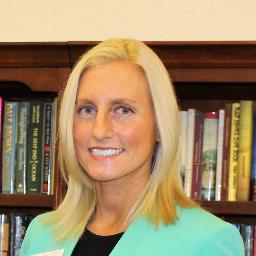
Sarah Wright
LCSW
Calm, practical support for emotional challenges
Opens BetterHelp in a new tab, where you can review online therapy options.
- Person-centered care
- Practical coping skills
- Spiritual integration option
About Sarah
She uses methods such as motivational interviewing, cognitive behavioral therapy (CBT), dialectical behavior therapy (DBT), acceptance and commitment therapy (ACT), and solution-focused techniques. Sessions often focus on real-life skills like emotion regulation, coping strategies, and step-by-step behavior change. Sarah aims to help clients build routines for sleeping and eating, address relationship and intimacy concerns, and manage career or life-change stress.
Her background includes clinical social work practice and supervisory roles in both Massachusetts and Florida. Sarah has experience working with people facing bipolar disorder, depression, obsessive and compulsive concerns, grief, self-harm histories, and compassion fatigue. She also supports those coping with fertility issues, first responder stress, and questions of life purpose and guilt.
Sarah emphasizes collaboration and practical progress. She helps people break problems into manageable steps and set achievable goals. Clients who want to include spiritual beliefs in sessions can indicate that preference and have it woven into the work.
To begin, she asks clients to complete a brief matching questionnaire and then schedule sessions based on availability. The aim is steady, measurable change rather than quick fixes.
Areas of expertise
Primary focus
Also works with
Additional focus areas
Therapeutic approaches
Experience
3+ years
Credentials
Florida
Languages
English
Therapeutic approaches that translate to online work
Acceptance and Commitment Therapy (ACT) focuses on helping people notice difficult thoughts and feelings without getting stuck in them. It teaches values-based action so people can pursue meaningful goals even when emotions are painful. Cognitive Behavioral Therapy (CBT) looks at the links between thoughts, feelings, and behaviors and uses simple exercises to change unhelpful patterns and improve mood. Dialectical Behavior Therapy (DBT) emphasizes skills for emotion regulation, distress tolerance, and clearer communication when relationships feel intense.Choosing the right approach is part of the process. The therapist collaborates with each person to try methods that match their goals, needs, and preferences. Together they check what helps and adjust the plan over time so work stays practical and focused on daily progress.
Session formats are not listed in the biography, so confirm available options before booking. Online therapy can help fit sessions into busy lives by reducing travel time, making it easier to schedule short check-ins, or letting people choose whether to be on camera. Licensed professionals can use these approaches remotely to teach coping skills, practice new behaviors, and track small improvements over time.
At a glance
- Listed location
- Florida
- Experience
- 3+ years
- Credentials
- LCSW
- Languages
- English
- License (Florida)
- LCSW · No. SW14514
- NPI
- 1962652701
As listed by the therapist. You can check a license with the state board and an NPI with the national registry.
Frequently asked questions
What kinds of concerns does Sarah help with?
She works with a wide range of concerns including stress, anxiety, anger, depression, bipolar disorder, addiction, trauma, grief, sleep and eating issues, and relationship or intimacy-related problems.
How would you describe her therapeutic style?
Her style is person-centered and flexible. She uses motivational interviewing, CBT, DBT, ACT, and solution-focused strategies to teach coping skills and practical behavior changes.
What experience does she bring to this work?
She has clinical social work experience and has held supervisory roles in Massachusetts and Florida, bringing several years of direct practice with mood disorders, trauma, and substance use.
Where is she licensed and based?
She is an LCSW licensed in the state of Florida and provides services from that location.
Which languages are supported for sessions?
Sessions are offered in English and she also accepts international clients.
What session formats are available?
Session formats are not specified in the biography, so confirm current session options before booking to ensure they meet your needs.
How is payment and cost handled?
Cost varies with location and therapist availability; sessions use a subscription that can be canceled at any time.
How do I begin working with her?
Start by selecting the Start Therapy button, completing a short matching questionnaire, and then schedule sessions according to therapist availability.
Before you start
- Online talk therapy is not a court-ordered or mandated anger-management course, and it does not provide attendance certificates.
- Check that the location and license details above fit where you live.
- If anyone is at risk of being harmed, contact emergency services or a domestic-abuse helpline first. See the support lines for the US, UK and Australia.