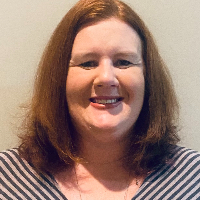
Sarah Edinger
LCSW
Compassionate LCSW focused on practical change
Opens BetterHelp in a new tab, where you can review online therapy options.
- Down-to-earth therapist
- Practical tools
- Focus on relationships
About Sarah
She prefers plain language over clinical terms and values a warm, down-to-earth relationship with the person she meets. Sarah does not focus on labels and believes people can benefit from therapy even without a formal diagnosis. She often uses humor and a relaxed manner to make sessions easier to sit with.
Her background includes school settings, community mental health, and private practice. That range informs how she adapts tools to each person's situation. She also consults with trauma specialists when cases need further trauma-focused processing.
Sarah uses a mix of approaches including Acceptance and Commitment Therapy, Cognitive Behavioral Therapy, and Solution-Focused Therapy, along with client-centered techniques. In practice this means helping people notice what matters to them, challenge unhelpful thinking, and build small, realistic steps forward.
People who come to her for help with parenting stress, family conflict, grief, or life transitions can expect direct collaboration on goals. She offers a calm, practical space to talk through problems and test new ways of handling intense emotions like anger. Her aim is to help people leave sessions with clearer next steps and a sense of direction.
Areas of expertise
Primary focus
Also works with
Additional focus areas
Therapeutic approaches
Experience
21+ years
Credentials
Mississippi, Tennessee
Languages
English
How these approaches guide online work
Acceptance and Commitment Therapy (ACT) helps people clarify what matters most to them and take small actions toward those values even when emotions feel overwhelming. It can be useful for anger, anxiety, and life transitions. Cognitive Behavioral Therapy (CBT) focuses on spotting unhelpful thinking patterns and testing new behaviors to reduce distress; it is often used for anxiety, depression, panic, and mood symptoms. Client-Centered Therapy centers the person's own experience and uses empathic listening to build trust and a stronger working relationship.Finding the right method is a collaborative process. The therapist will discuss goals, try different techniques, and adjust the plan based on what the person finds helpful. That teamwork helps shape which approach or combination feels most useful over time.
If you are considering online sessions, confirm the specific session options before booking since the biography does not list formats. Online work can make it easier to fit therapy into a busy week, allow shorter check-ins when needed, and remove the commute so more time can go toward problem-solving. Many people find remote sessions let them practice tools between meetings and bring real-life situations into discussion more quickly. Licensed professionals tailor session pace and homework to fit daily routines and goals.
At a glance
- Listed location
- Mississippi
- Experience
- 21+ years
- Credentials
- LCSW
- Languages
- English
- License (Mississippi)
- LCSW · No. C9650
- License (Tennessee)
- LCSW · No. 5814
- NPI
- 1417021023
As listed by the therapist. You can check a license with the state board and an NPI with the national registry.
Frequently asked questions
What concerns does Sarah commonly address?
She works with stress, anxiety, anger, depression, relationship and family issues, trauma and abuse, grief, self-esteem, career concerns, bipolar disorder, ADHD, and life changes.
How would you describe her therapeutic style?
Her approach is down-to-earth and conversational, avoiding clinical jargon while using practical tools and humor when appropriate.
What kind of experience does she bring?
She has 21 years of experience across schools, community mental health, and private practice settings.
What are her credentials and where is she based?
She is a licensed clinical social worker (LCSW) with credentials listed as TN LCSW and MS LCSW, and she practices in Mississippi.
Which languages are sessions offered in?
Sessions are offered in English.
Are international clients served?
She does not accept international clients at this time.
How are sessions structured and what formats are available?
Please confirm current session options before booking, as the biography does not specify the exact session formats available.
How does pricing and getting started work?
Cost varies by location and availability and sessions use a subscription that can be canceled at any time; to begin, select the Start Therapy button, complete a short matching questionnaire, and schedule according to therapist availability.
Before you start
- Online talk therapy is not a court-ordered or mandated anger-management course, and it does not provide attendance certificates.
- Check that the location and license details above fit where you live.
- If anyone is at risk of being harmed, contact emergency services or a domestic-abuse helpline first. See the support lines for the US, UK and Australia.