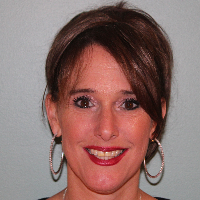
Samantha Whelan
LPC
Compassionate counselor focused on practical change
Opens BetterHelp in a new tab, where you can review online therapy options.
- Client-centered care
- Skill building
- Practical feedback
About Samantha
Her work combines practical skill-building with thoughtful reflection. She uses client-centered methods to keep the person’s goals front and center. She also relies on cognitive behavioral approaches to identify unhelpful thinking and habits, and on motivational interviewing to support readiness for change.
Samantha spent much of her early career working with people affected by addiction and complex mental health concerns. Those years required attention to many areas of life, from emotional and relational problems to legal and financial stressors. That experience shaped her approach to treat problems in context rather than in isolation.
After a period focused on family life, she kept current through continuing education and returned with renewed perspective on everyday stresses parents and caregivers face. She emphasizes small, achievable steps and practical tools that fit a busy schedule.
In sessions she aims to help people identify where they are in the process of change, set clear goals, and practice new behaviors between meetings. Her stated approach is collaborative - the person’s agenda guides the work while she offers structure, skills, and feedback to support progress.
Areas of expertise
Primary focus
Also works with
Additional focus areas
Therapeutic approaches
Experience
14+ years
Credentials
Oklahoma, Alabama, New Hampshire, Arizona
Languages
English
How her approaches translate to online work
Samantha uses client-centered therapy to keep the person’s goals at the center of each session, focusing on listening, reflection, and collaborating on what matters most. Cognitive behavioral therapy (CBT) helps identify patterns of thought and behavior that keep problems going, and offers step-by-step strategies people can practice between sessions. Mindfulness therapy teaches simple attention and grounding skills to reduce reactivity and improve focus.Choosing the right approach is part of the work; Samantha treats that as a team effort. She will talk with the person about goals, preferences, and what has or hasn’t worked before, then shape a plan that fits those needs. That collaborative process helps find techniques that feel useful and realistic for everyday life.
Session logistics should be confirmed before booking since formats are not specified here. Online therapy can make it easier to fit sessions into a busy week, reduce travel time, and allow shorter check-ins when schedules demand. It also makes it possible to practice skills in real-life settings and review homework between meetings. Confirm current session options and scheduling details before you book so the format matches your needs.
At a glance
- Listed location
- Oklahoma
- Experience
- 14+ years
- Credentials
- LPC
- Languages
- English
- License (Oklahoma)
- LPC · No. LPC07275
- License (Alabama)
- LPC · No. LPC02051
- License (New Hampshire)
- LCMHC · No. 3037
- License (Arizona)
- LPC · No. 22349
- NPI
- 1235147802
As listed by the therapist. You can check a license with the state board and an NPI with the national registry.
Frequently asked questions
What concerns does Samantha commonly address?
She works with stress, anxiety, addictions, anger, depression, trauma, grief, relationship and family issues, parenting struggles, ADHD, and related mood and coping concerns.
What is her general therapy style?
Her style is collaborative and practical, combining client-centered listening with cognitive behavioral techniques and motivational interviewing to set goals and practice new skills.
How much clinical experience does she have?
She has 14 years of professional experience, including substantial time working with people affected by addiction and complex mental health issues.
Which credentials and region are listed for this therapist?
She holds the LPC credential and is based in Oklahoma, with past licensure noted in other states as described in her background.
In which language are sessions offered?
Sessions are offered in English.
Does she work with international clients?
She does not accept international clients at this time.
How does payment or cost work?
Cost varies with location and therapist availability; sessions use a subscription that can be canceled at any time.
How do I begin a session with Samantha?
Use the Start Therapy button, complete a short matching questionnaire, and schedule according to the therapist’s availability.
Before you start
- Online talk therapy is not a court-ordered or mandated anger-management course, and it does not provide attendance certificates.
- Check that the location and license details above fit where you live.
- If anyone is at risk of being harmed, contact emergency services or a domestic-abuse helpline first. See the support lines for the US, UK and Australia.