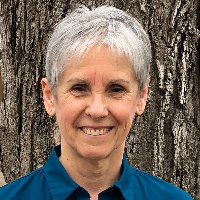
Ruth Stoan
LPC
Experienced counselor helping people make lasting change
Opens BetterHelp in a new tab, where you can review online therapy options.
- 35 years experience
- LPC
- Focus on anger
About Ruth
She has a Master of Arts in Counseling from the University of Missouri-Kansas City. Over her career she has worked in private practice, community agencies, and care settings. That experience includes supporting people facing addiction, grief and loss, relationship concerns, stress, anxiety, and life transitions.
Ruth uses a mix of approaches tailored to each person. She draws on Acceptance and Commitment Therapy, Cognitive Behavioral Therapy, Emotionally-Focused and Client-Centered methods, and existential ideas. She also uses mindfulness, breath work, relaxation, imagery, and tools aimed at shifting blocking beliefs.
A particular interest is helping women navigate major life changes and questions about identity and purpose. Ruth helps clients address both immediate problems and deeper patterns that get in the way of progress. Sessions focus on skill building and practical steps toward a more meaningful life.
Ruth prefers video sessions to build rapport but also offers phone and text options when those feel better for a client. She checks messages frequently and schedules during weekdays, some evenings, and by request on Saturdays.
Areas of expertise
Also works with
Additional focus areas
Therapeutic approaches
Experience
35+ years
Credentials
Missouri
Languages
English
How certain approaches work well online
Acceptance and Commitment Therapy (ACT) helps people clarify what matters and take action in line with those values. It often uses simple exercises and mindfulness practices to reduce avoidance and increase meaningful behavior. Cognitive Behavioral Therapy (CBT) focuses on spotting unhelpful thoughts and testing them with practical behavioral tasks. It is useful for anxiety, depression, and anger because it breaks problems into clear steps.Finding the right approach is collaborative. The therapist will talk with clients about their needs, goals, and preferences and try different methods to see what fits best. That process can involve short goal-oriented work or a longer exploration of deeper patterns, depending on what the person wants.
Ruth prefers video sessions to help build rapport, and she notes phone and text options are available when more comfortable. Confirm the current session options before booking so they match your needs. Online sessions can make scheduling easier, let people fit appointments into a busy day, and allow shorter check-ins or regular weekly sessions without travel. They can also reduce time away from work or caregiving duties while keeping therapy consistent.
At a glance
- Listed location
- Missouri
- Experience
- 35+ years
- Credentials
- LPC
- Languages
- English
- License (Missouri)
- LPC · No. 000702
- NPI
- 1407454580
As listed by the therapist. You can check a license with the state board and an NPI with the national registry.
Frequently asked questions
What concerns does Ruth commonly address?
She helps people with stress, anxiety, grief, depression, relationship and intimacy issues, anger, addictions, ADHD, and related concerns like self-esteem and life changes.
How would you describe her therapy style?
Her style is collaborative and practical. She works with clients to set goals, develop new skills, and reduce old patterns that block progress.
What is her clinical background and experience?
She holds a Master of Arts in Counseling and has 35 years of experience in private practice, community agencies, and care settings working with diverse concerns.
What credentials and location are listed?
She is a Licensed Professional Counselor - LPC - practicing in Missouri.
Which languages and international work are supported?
Sessions are offered in English and she accepts international clients.
What session formats are available?
Ruth prefers video sessions to build rapport, and she also offers phone and text options when those are more comfortable; confirm current session options before booking.
How does billing and cost work?
Cost varies with location and therapist availability; sessions use a subscription that can be canceled at any time.
How do I begin working with her?
Select the Start Therapy button, complete a short matching questionnaire, and schedule according to the therapist's availability.
Before you start
- Online talk therapy is not a court-ordered or mandated anger-management course, and it does not provide attendance certificates.
- Check that the location and license details above fit where you live.
- If anyone is at risk of being harmed, contact emergency services or a domestic-abuse helpline first. See the support lines for the US, UK and Australia.