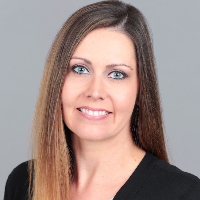
Ruby Coopersmith
LMHC
Compassionate counselor focusing on practical skills
Opens BetterHelp in a new tab, where you can review online therapy options.
- Client-centered approach
- Skill-based tools
- Trauma informed
About Ruby
Ruby draws on 13 years of clinical experience to meet people where they are. She emphasizes building trust and a strong working relationship before moving into skill building. That can look like learning assertive communication, setting boundaries, or identifying and shifting beliefs that get in the way.
Her work is rooted in client-centered therapy, which centers the person’s goals and choices. She often integrates cognitive behavioral techniques to spot and rework unhelpful thinking patterns. Solution-focused tools also come into play when clients want shorter-term, goal-directed support.
Sessions commonly include practical exercises, straightforward feedback, and homework geared to everyday life. Ruby explains strategies in plain language and helps people practice them between meetings. She pays attention to how culture, family, and social pressures shape behavior and relationships.
People seek her help for a wide range of concerns including trauma and abuse, parenting and fatherhood issues, ADHD, eating or sleeping problems, intimacy and sexual concerns, and career strain. She also works with issues like codependency, commitment concerns, blended family challenges, and coping with cancer or chronic stress.
Her style is steady, nonjudgmental, and warm. She aims to help people feel more in control, communicate more clearly, and move toward the life they want.
Areas of expertise
Primary focus
Also works with
Additional focus areas
Therapeutic approaches
Experience
13+ years
Credentials
Florida
Languages
English
How her approaches translate to online work
Client-centered therapy focuses on the person’s goals and values and helps the therapist and client shape sessions around what matters most. It is useful for people feeling stuck, unsure of priorities, or needing a steady space to talk through decisions.Cognitive Behavioral Therapy, or CBT, teaches ways to notice and change thought patterns that lead to distress. It often includes practical homework such as tracking moods, testing beliefs, and experimenting with new behaviors to reduce anxiety or depression.
Dialectical Behavior Therapy, or DBT, offers skills for managing strong emotions and improving relationships. It provides concrete tools for distress tolerance, emotion regulation, and clearer communication in heated moments.
Finding the right approach is part of the work. The therapist will talk with each person about goals and preferences and then recommend or combine methods that seem most useful. That decision happens together and can change as needs evolve.
If you are considering online sessions, confirm the current session options before booking since formats are not specified here. Online work can make it easier to fit therapy into a busy week, reduce travel time, and allow shorter check-ins when needed. It also lets people use written exercises and screen-shared worksheets during a session to practice skills they can use right away.
At a glance
- Listed location
- Florida
- Experience
- 13+ years
- Credentials
- LMHC
- Languages
- English
- License (Florida)
- LMHC · No. MH15219
- NPI
- 1871978007
As listed by the therapist. You can check a license with the state board and an NPI with the national registry.
Frequently asked questions
What concerns does Ruby commonly address?
She works with stress, anxiety, addictions, anger, relationship problems, grief, depression, and several related concerns such as body image, parenting, ADHD, and career strain.
How would you describe her therapeutic style?
Her style is calm and practical, focused on building trust and teaching usable skills like assertive communication and boundary setting.
How much clinical experience does she have?
She has 13 years of experience providing individual and couples counseling and has worked with diverse issues including trauma, low self-esteem, and addiction.
What are her credentials and where is she based?
She is a Licensed Mental Health Counselor (LMHC) licensed in Florida and practices from that state.
Which languages are sessions offered in?
Sessions are offered in English.
Can people outside the United States work with her?
She does not accept international clients at this time.
How are sessions priced and paid for?
Cost varies with location and therapist availability; sessions use a subscription that can be canceled at any time.
How do I begin working with her?
Click the Start Therapy button, complete a short matching questionnaire, and schedule according to therapist availability.
Before you start
- Online talk therapy is not a court-ordered or mandated anger-management course, and it does not provide attendance certificates.
- Check that the location and license details above fit where you live.
- If anyone is at risk of being harmed, contact emergency services or a domestic-abuse helpline first. See the support lines for the US, UK and Australia.