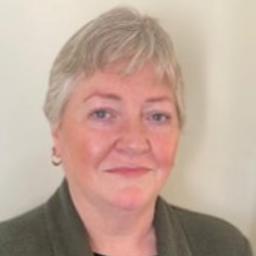
Rosemarie Savage
BACP
Calm, practical support for everyday challenges
Opens BetterHelp in a new tab, where you can review online therapy options.
- Client-centred care
- Mindfulness tools
- Trauma-informed focus
About Rosemarie
Rosemarie has five years of professional experience and holds registration with the British Association for Counselling and Psychotherapy, BACP. She uses a client-centred approach that places the person's own goals at the heart of sessions. That means listening closely and working at the client’s pace to build practical ways to manage everyday struggles.
She also integrates mindfulness techniques to help calm the body and mind. These methods can be useful for anxiety, stress and for grounding after upsetting memories. Somatic ideas are used to notice how the body stores tension and to develop simple ways to ease physical stress.
When trauma is part of someone's story, Rosemarie uses trauma-focused ways of working to help people feel safer with distressing memories. Her style is steady and practical, aiming to make difficult feelings easier to describe and cope with. Sessions focus on small steps that fit into daily life.
People can expect a respectful, down-to-earth approach. Rosemarie helps clients set clear goals and reviews progress together. She encourages self-compassion and practical tools that can be used between sessions.
Areas of expertise
Also works with
Additional focus areas
Therapeutic approaches
Experience
5+ years
Credentials
United Kingdom
Languages
English
How Rosemarie adapts client-centred and somatic work online
Rosemarie uses client-centred therapy to keep the work focused on what matters most to the person. This approach involves listening, clarifying goals and helping the client steer each session toward practical change. It is useful for a wide range of concerns, including stress, low mood and relationship worries.She also draws on somatic therapy and mindfulness work to address how stress and trauma show up in the body. Somatic techniques help people notice tension, breathing and bodily signals, then experiment with small exercises to reduce physical distress. Mindfulness practices offer simple ways to ground attention and reduce reactivity to difficult thoughts and feelings.
Choosing the right approach is part of the therapy itself. Rosemarie will work collaboratively to identify which methods suit a person's goals and preferences, and she will adjust the plan as needs change. Clients are invited to give feedback so sessions stay practical and relevant.
The original biography does not list specific online session formats, so please confirm the available options before booking. Online work can make it easier to fit therapy into a busy life, allow shorter check-ins when needed, and reduce travel time. Registered or accredited professionals often find remote sessions help people maintain regular contact and practise new skills in daily routines.
At a glance
- Listed location
- United Kingdom
- Experience
- 5+ years
- Credentials
- BACP
- Languages
- English
- Registration (United Kingdom)
- BACP · No. 376113
As listed by the therapist. You can check a registration with the body that issued it.
Frequently asked questions
What concerns does Rosemarie help with?
She supports people with stress, anxiety, trauma and abuse, grief, self-esteem, anger and related issues such as sleep, addictions and relationship difficulties.
What is her therapeutic style like?
Her style is client-centred and practical, focusing on listening, clear goals and small steps that can be used between sessions.
What experience does she bring?
She has five years of professional experience working with a range of emotional and behavioural concerns.
What credentials and region apply?
She is registered with the British Association for Counselling and Psychotherapy, BACP, and practises from the United Kingdom.
Which languages are supported?
Sessions are offered in English and she accepts international clients.
What session formats are available?
The original biography does not list specific session formats; please confirm current session options before booking.
How are fees handled?
Cost varies with location and therapist availability; sessions use a subscription that can be cancelled at any time.
How do I begin working with her?
Select the Start Therapy button, complete a short matching questionnaire, and schedule according to the therapist's availability.
Before you start
- Online talk therapy is not a court-ordered or mandated anger-management course, and it does not provide attendance certificates.
- Check that the location and registration details above fit where you live.
- If anyone is at risk of being harmed, contact emergency services or a domestic-abuse helpline first. See the support lines for the US, UK and Australia.