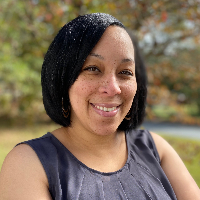
Rosa Howard-Poston
LMHC, LCMHC
Practical, bilingual support for stress and anger
Opens BetterHelp in a new tab, where you can review online therapy options.
- 25 years experience
- English and Spanish
- Goal focused
About Rosa
Her approach is practical and interactive. Sessions are focused on the client’s goals and day-to-day needs. She listens first, then suggests tools drawn from several methods. Clients can expect a mix of talking, skill practice, and mindful exercises that are relevant to their lives.
Rosa combines client-centered ways of working with cognitive behavioral techniques and emotionally-focused ideas. She also uses mindfulness and motivational interviewing to help people build new habits and stay motivated. This blend is aimed at making changes feel reachable rather than overwhelming.
She emphasizes collaboration and clear steps. That means planning small, doable actions between sessions and checking progress together. The work can include coping skills for anger, strategies for improving sleep, relapse prevention for substance concerns, or communication practice for relationship stress.
Rosa built her practice serving diverse communities and draws on long-term experience helping people navigate life transitions. If someone wants practical guidance and a down-to-earth therapist who listens, she provides steady, goal-minded support.
Areas of expertise
Primary focus
Also works with
Additional focus areas
Therapeutic approaches
Experience
25+ years
Credentials
New York, North Carolina
Languages
English, Spanish
How her approaches translate to online therapy
Rosa frequently uses client-centered methods and cognitive behavioral therapy in her work. Client-centered therapy focuses on listening, empathy, and helping the person find their own solutions; it suits people who want a respectful, nonjudgmental space to talk through issues. Cognitive behavioral therapy looks at thoughts and behaviors and teaches practical skills for changing patterns like angry reactions or anxious thinking.She also draws on emotionally-focused ideas to help people recognize and name strong feelings and to practice new ways of responding. Together these approaches help with stress, anger, relationship problems, and coping with life changes. Deciding which approach to use is collaborative - she will work with each person to match methods to their needs and goals and adjust the plan as progress is made.
Confirm the current online session options before booking, as formats were not specified in the biography. Online work can make it easier to fit therapy into a busy schedule, allow shorter check-ins when needed, and remove travel time. It also supports continuing work during life transitions and lets clients use exercises and mindful practices in their real routines.
At a glance
- Listed location
- North Carolina
- Experience
- 25+ years
- Credentials
- LMHC, LCMHC
- Languages
- English, Spanish
- License (New York)
- LMHC · No. 007965
- License (North Carolina)
- LCMHC · No. 16015
- NPI
- 1306291216
As listed by the therapist. You can check a license with the state board and an NPI with the national registry.
Frequently asked questions
What concerns does she address?
She works with stress, anxiety, anger, depression, addictions, relationship and parenting issues, bipolar concerns, grief, ADHD, and related problems such as attachment and communication issues.
How would you describe her therapy style?
Her style is down-to-earth and interactive, focusing on practical steps, skill practice, and collaborative goal setting.
How much experience does she have?
She has 25 years of experience providing therapy and human services to diverse communities.
What credentials and region are listed?
She holds LMHC and LCMHC credentials and practices in North Carolina, with licensure in New York and North Carolina noted.
Which languages are offered for sessions?
Sessions are offered in English and Spanish.
Does she work with clients outside the country?
International clients are not currently accepted.
How are costs and billing handled?
Costs vary with location and therapist availability; sessions use a subscription that can be canceled at any time.
How do I begin therapy with her?
To get started, select the Start Therapy button, complete a short matching questionnaire, and schedule according to therapist availability.
Before you start
- Online talk therapy is not a court-ordered or mandated anger-management course, and it does not provide attendance certificates.
- Check that the location and license details above fit where you live.
- If anyone is at risk of being harmed, contact emergency services or a domestic-abuse helpline first. See the support lines for the US, UK and Australia.