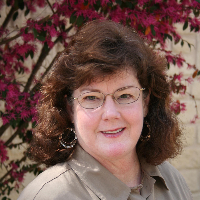
Robyn Ott
LCSW
Experienced LCSW focused on practical change
Opens BetterHelp in a new tab, where you can review online therapy options.
- Goal-directed approach
- Strengths focused
- Practical tools
About Robyn
Robyn’s practice centers on helping people shift unhelpful thinking patterns and develop tools they can use every day. She supports work on stress, anxiety, depression, and trauma, and addresses challenges like low self-esteem, anger, and difficulty with relationships. She also helps with life transitions, parenting concerns, sleep and eating issues, and career or coaching goals.
Her approach mixes clear guidance with respect for each person’s pace. Robyn uses short-term, goal-directed work when that is helpful, teaching pacing, incremental goal setting, and accountability. She emphasizes strengths and practical tools so clients can notice progress and build confidence.
Robyn’s background includes nearly three decades in private practice and a wide range of clinical settings. That experience informs a steady, experienced presence in sessions and a practical focus on what clients want to change. She draws on multiple therapy methods to meet specific goals rather than follow a single path.
People who are ready to try new skills and do focused work tend to get the most from her style. To begin, follow the Start Therapy steps on the site to complete a short matching questionnaire and schedule according to therapist availability.
Areas of expertise
Also works with
Additional focus areas
Therapeutic approaches
Experience
30+ years
Credentials
Texas, Arkansas
Languages
English
How these approaches translate to online therapy
Acceptance and Commitment Therapy (ACT) helps people notice thoughts and feelings without getting stuck in them, then clarify values and take small steps toward those values. It is often used for anxiety, depression, and life transitions. Cognitive Behavioral Therapy (CBT) looks at how thoughts, feelings, and actions connect, and teaches practical skills to change patterns that cause distress. It is commonly used for mood, worry, and behavior change. Dialectical Behavior Therapy (DBT) offers skills for managing strong emotions, improving distress tolerance, and handling intense relationship moments; it can be useful for anger and emotion regulation.Finding the right approach is part of the work. The therapist will collaboratively review your goals and preferences and suggest which methods to try first. Sessions can combine elements from different approaches so the plan fits what you want to address and how you prefer to work.
The biography does not list specific session formats, so confirm the available options before booking. In general, online therapy can make it easier to fit sessions into a busy life, allow shorter check-ins when schedules are tight, and reduce the time needed to travel. Talk with the therapist about session length, pacing, and practical arrangements so therapy matches your routine and goals.
At a glance
- Listed location
- Arkansas
- Experience
- 30+ years
- Credentials
- LCSW
- Languages
- English
- License (Texas)
- LCSW · No. 21043
- License (Arkansas)
- LCSW · No. 13140-C
- NPI
- 1174650469
As listed by the therapist. You can check a license with the state board and an NPI with the national registry.
Frequently asked questions
What concerns does Robyn address?
She helps with stress, anxiety, depression, trauma, low self-esteem, anger, relationship and family issues, grief, parenting, sleep and eating concerns, career and coaching goals, and related problems.
What is her general therapy style?
Her style is direct, patient, and practical. Sessions focus on short-term, goal-directed work and learning tools to support lasting change.
How much experience does she have?
Robyn has 30 years of clinical experience and has maintained a private practice for many of those years.
What credentials and location are listed?
She is a Licensed Clinical Social Worker with credentials in Texas and Arkansas listed as TX LCSW and AR LCSW, and her practice is associated with Arkansas.
In which languages are sessions offered?
Sessions are offered in English, and she is listed as accepting international clients.
What session formats are available?
The biography does not specify session formats, so confirm current session options before booking.
How does pricing work?
Cost varies with location and therapist availability, and sessions use a subscription that can be canceled at any time.
How do I begin working with her?
Click the Start Therapy button, complete a short matching questionnaire, and schedule sessions based on the therapist's availability.
Before you start
- Online talk therapy is not a court-ordered or mandated anger-management course, and it does not provide attendance certificates.
- Check that the location and license details above fit where you live.
- If anyone is at risk of being harmed, contact emergency services or a domestic-abuse helpline first. See the support lines for the US, UK and Australia.