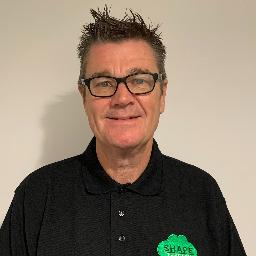
Robert Marshall
BACP
Compassionate counsellor for anger and life change
Opens BetterHelp in a new tab, where you can review online therapy options.
- Person-centred approach
- Practical strategies
- Empathic listening
About Robert
He trained as a Qualified Person Centered Counsellor, which means he focuses on meeting people where they are and listening without judgement. He also has experience using cognitive behavioural techniques and motivational interviewing from volunteering with a local alcohol service. These approaches are used to help people notice patterns, try practical changes and build motivation.
In sessions he pays close attention to emotions and how they show up in daily life. He encourages open, straightforward talk and practical steps that fit the client’s situation. The work aims to help people feel less stuck and regain some control over their reactions and choices.
Robert describes his style as empathetic and non-judgemental, with a practical edge. He invites honest conversation and focuses on small, achievable changes. That makes his approach suited to people who want clear, human support rather than technical language.
He works in English and is registered with the British Association for Counselling and Psychotherapy, BACP. Clients interested in meeting him are asked to use the Start Therapy button and complete the short matching questionnaire to begin the process.
Areas of expertise
Primary focus
Also works with
Additional focus areas
Therapeutic approaches
Experience
5+ years
Credentials
United Kingdom
Languages
English
Approaches used in online work and how they help
Robert often draws on person-centred counselling, which focuses on listening, empathy and creating space for people to speak openly. This approach helps when someone needs to feel heard and to work through strong emotions like anger or shame.He also uses Cognitive Behavioural Therapy, or CBT, to help people spot unhelpful thinking and try small practical changes. CBT can be useful for anxiety, low mood, sleep problems and patterns that feed anger or impulsive actions.
Finding the right approach is part of the process. He will work collaboratively with each person to choose methods that match their goals, needs and preferences. The plan can change as the work develops and as practical priorities become clearer.
Session logistics should be confirmed before booking because the biography does not list specific formats. In general, online therapy can make it easier to fit sessions into a busy week, reduce travel time and allow shorter check-ins when needed. Some formats work better for quieter conversations while others suit more interactive exercises; discuss preferences when arranging the first session to find what fits.
At a glance
- Listed location
- United Kingdom
- Experience
- 5+ years
- Credentials
- BACP
- Languages
- English
- Registration (United Kingdom)
- BACP · No. 393516
As listed by the therapist. You can check a registration with the body that issued it.
Frequently asked questions
What problems does this counsellor help with?
He supports people dealing with anger plus related difficulties such as stress, anxiety, addictions, depression, relationship strain and grief.
How would you describe his way of working?
He uses a person-centred style that emphasises empathy and non-judgemental listening. He also blends practical techniques to help with thinking and behaviour.
What experience does he bring to sessions?
He has five years of practice and lived experience of addiction and depression, which he says informs his empathic, straightforward approach.
What professional credential does he hold and where is he based?
He is registered with the British Association for Counselling and Psychotherapy, BACP, and works from the United Kingdom.
Which languages are offered and can international clients join?
Sessions are offered in English, and he accepts international clients.
What session formats are available?
The original biography does not list specific session formats, so please confirm current options before booking.
How are fees and payments handled?
Cost varies with location and therapist availability; sessions use a subscription that can be cancelled at any time.
How do I begin working with him?
Use the Start Therapy button, complete a short matching questionnaire, then schedule according to therapist availability.
Before you start
- Online talk therapy is not a court-ordered or mandated anger-management course, and it does not provide attendance certificates.
- Check that the location and registration details above fit where you live.
- If anyone is at risk of being harmed, contact emergency services or a domestic-abuse helpline first. See the support lines for the US, UK and Australia.