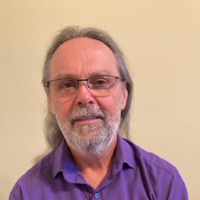
Robert Bronson
LCSW
Experienced LCSW focused on practical change
Opens BetterHelp in a new tab, where you can review online therapy options.
- Compassionate and direct
- Practical behavior tools
- Mindfulness informed
About Robert
He draws on Cognitive Behavioral Therapy, Acceptance and Commitment Therapy, Emotionally-Focused Therapy, and mindfulness practices to help people notice patterns and try new behaviors. Sessions emphasize simple, concrete steps people can use between meetings. He pays attention to daily routines, sleep, and coping habits that affect mood and responses.
With 19 years of experience, he has worked with people facing trauma, grief, addiction, relationship strain, and vocational or role transitions. He also offers support for issues like caregiver stress, first responder strain, and challenges tied to aging. He invites clients to share their stories at a pace that feels manageable.
Robert takes a collaborative stance in session and uses plain language. He listens first, then helps set short-term goals and practical exercises. Humor and direct feedback are included when helpful.
He practices in Arkansas and conducts therapy in English. To begin, clients use the site Start Therapy flow to match and schedule a first appointment.
Areas of expertise
Primary focus
Also works with
Additional focus areas
Therapeutic approaches
Experience
19+ years
Credentials
Arkansas
Languages
English
Combining ACT, CBT, and Client-Centered Work Online
Acceptance and Commitment Therapy (ACT) helps people clarify what matters to them and take small actions toward those values, often useful for anger, anxiety, and life transitions. Cognitive Behavioral Therapy (CBT) focuses on the links between thoughts, feelings, and behaviors and teaches practical strategies to change unhelpful patterns. Client-Centered Therapy centers the client's experience, with the therapist listening closely and reflecting to help people feel understood and choose their next steps.Finding the right approach is part of the work. The therapist will talk with each person about their needs, goals, and preferences and then try approaches that fit. That collaborative process helps decide which methods and exercises to use in sessions and between appointments.
The biography does not list specific online session formats, so confirm current session options before booking. Online sessions can make it easier to fit therapy into a busy life - they reduce travel time, let people check in during a break, and allow use of tools like short mindfulness exercises or thought records between meetings. The therapist aims to tailor session length and exercises to what works in everyday routines and to help clients practice useful skills between sessions.
At a glance
- Listed location
- Arkansas
- Experience
- 19+ years
- Credentials
- LCSW
- Languages
- English
- License (Arkansas)
- LCSW · No. 2146-C
- NPI
- 1629262902
As listed by the therapist. You can check a license with the state board and an NPI with the national registry.
Frequently asked questions
What concerns does this therapist commonly address?
He works with stress, anxiety, anger, depression, trauma and related issues such as addictions, grief, sleep problems, and self-esteem.
How would you describe his therapeutic style?
He uses a warm, compassionate, and direct style. Sessions focus on listening, setting small goals, and using practical tools between meetings.
What kind of clinical experience does he have?
He brings 19 years of clinical experience working with trauma recovery, mood concerns, and life transitions among other issues.
What credentials and location are on file?
He is a Licensed Clinical Social Worker, LCSW, practicing in Arkansas.
Which languages are sessions offered in?
Sessions are offered in English.
Can I work with this therapist from another country?
He does not accept international clients at this time.
How are session formats handled?
The biography does not specify session formats; please confirm current session options before booking so you know whether remote or in-person visits are available.
How does the Start Therapy process work?
Use the Start Therapy button, complete a short matching questionnaire, and schedule based on the therapist's availability and calendar.
Before you start
- Online talk therapy is not a court-ordered or mandated anger-management course, and it does not provide attendance certificates.
- Check that the location and license details above fit where you live.
- If anyone is at risk of being harmed, contact emergency services or a domestic-abuse helpline first. See the support lines for the US, UK and Australia.