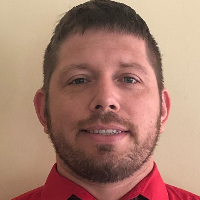
Richard Rodgers
LCSW
Compassionate LCSW helping people manage anger and stress
Opens BetterHelp in a new tab, where you can review online therapy options.
- Ten years experience
- Focus on addiction
- Veteran perspective
About Richard
Before becoming an LCSW, he earned a Bachelor's in Community Health and a Master of Social Work (MSW). His work spans inpatient and outpatient settings and includes substantial experience with depression, anxiety, PTSD, and substance use concerns. That background shaped his interest in supporting veterans and others facing complex challenges.
Richard uses a mix of therapies to match each person's situation. He draws on approaches such as Acceptance and Commitment Therapy, Cognitive Behavioral Therapy, Dialectical Behavior Therapy, Attachment-Based Therapy, and Client-Centered Therapy. In practice he focuses on clear goals, skills people can use between sessions, and ways to reduce intense reactions like anger or anxiety.
Sessions aim to be collaborative. He helps people identify what matters most, set achievable steps, and try new ways of coping. He can support work on relationships, parenting stress, career strain, self-esteem, and adjusting after loss or trauma.
Outside work he spends time with family, pets, and enjoys sports and concerts. That balance shapes a grounded, practical outlook he brings into sessions.
Areas of expertise
Also works with
Additional focus areas
Therapeutic approaches
Experience
10+ years
Credentials
Illinois, Indiana, Arizona
Languages
English
Therapeutic approaches that translate to online care
Acceptance and Commitment Therapy (ACT) focuses on clarifying what matters most to you and taking small, values-based steps even when feelings are hard. It is useful for anxiety, depression, stress, and anger when people want practical ways to move forward. Cognitive Behavioral Therapy (CBT) helps identify unhelpful thoughts and behaviors and replace them with more effective patterns. It often includes homework and skill practice to reduce anxiety, manage mood, and address problematic habits. Dialectical Behavior Therapy (DBT) offers skills for emotion regulation, distress tolerance, and better interpersonal communication, which can be helpful for intense anger and relationship strain.Choosing the right approach is part of the process. The therapist works collaboratively with each person to decide which methods fit their goals, needs, and preferences. He can try different strategies and adjust the plan as progress is made or goals change.
Confirm current session options before booking, since specific formats are not listed in the biography. In general, online therapy can make it easier to fit sessions into a busy week, avoid travel time, and keep momentum between appointments. Some formats also allow brief check-ins when life gets hectic, or sessions without video when bandwidth or attention needs to be narrower. Ask about the available session options and scheduling when you match with the therapist so you can pick what fits your routine.
At a glance
- Listed location
- Indiana
- Experience
- 10+ years
- Credentials
- LCSW
- Languages
- English
- License (Illinois)
- LCSW · No. 149.020534
- License (Indiana)
- LCSW · No. 34008256A
- License (Arizona)
- LCSW · No. LCSW-21892
- NPI
- 1891279287
As listed by the therapist. You can check a license with the state board and an NPI with the national registry.
Frequently asked questions
What concerns does Richard commonly address?
He helps people with stress, anxiety, addictions, trauma and abuse, grief, depression, anger, and related issues such as sleep problems, parenting strain, and self-esteem.
What is his general therapy style?
He takes a practical, down-to-earth approach that starts with listening. Sessions focus on concrete skills, goal-setting, and real-world strategies to manage strong emotions and behaviors.
What background does he bring to his work?
He served in the Army National Guard and has about ten years of experience across inpatient and outpatient mental health and addiction settings. That experience informs his clinical perspective.
What credentials and location are listed?
He is a Licensed Clinical Social Worker (LCSW) with credentials in Illinois (IL LCSW) and Arizona (AZ LCSW) and practices from Indiana.
Which languages are supported for sessions?
Sessions are offered in English.
Do you accept international clients?
International clients are not currently accepted.
How does scheduling and cost work?
Cost varies with location and the therapist's arrangements; sessions use a subscription that can be canceled at any time.
How do I begin working together?
Use the Start Therapy button, complete a short matching questionnaire, and then schedule according to the therapist's availability.
Before you start
- Online talk therapy is not a court-ordered or mandated anger-management course, and it does not provide attendance certificates.
- Check that the location and license details above fit where you live.
- If anyone is at risk of being harmed, contact emergency services or a domestic-abuse helpline first. See the support lines for the US, UK and Australia.