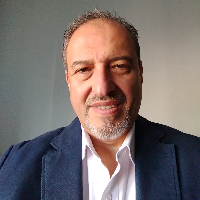
Richard Strand
LCSW
Practical, experienced help for anger and stress
Opens BetterHelp in a new tab, where you can review online therapy options.
- Client-centered
- CBT tools
- English and Spanish
About Richard
He uses a client-centered stance that starts by listening closely to what matters most to the person in front of him. That listening is paired with tools from cognitive behavioral therapy and with motivational interviewing when someone needs help finding the push to change. He also draws on dialectical behavior therapy and Eye Movement Desensitization and Reprocessing for trauma when these methods are a good fit.
Richard begins with a broad bio-psycho-social-spiritual assessment. This looks at life history, current stresses, relationships, and how past events play into present patterns. From there he helps people set realistic goals and builds straightforward plans to reach them. Sessions often mix talk, skill practice, and goal-focused steps.
His main areas of focus include trauma and abuse, addictions, parenting strain, grief, coping with life transitions, bipolar disorder, ADHD, and compassion fatigue. He also addresses relationship-related problems such as communication, commitment, and codependency, plus issues like abandonment and forgiveness.
People who choose him can expect a collaborative, down-to-earth process aimed at clear changes in how they feel and act. To begin, clients complete a short matching questionnaire and schedule sessions based on the therapist's availability.
Areas of expertise
Also works with
Additional focus areas
Therapeutic approaches
Experience
25+ years
Credentials
New York
Languages
English, Spanish
How therapy methods translate to online care
Richard commonly blends client-centered work with cognitive behavioral therapy and motivational interviewing. Client-centered work means the therapist listens closely and follows the person's priorities to shape sessions and goals. Cognitive behavioral therapy focuses on identifying unhelpful thoughts and behaviors and practicing new skills to change them, which helps with anxiety, anger, depression, and stress. Motivational interviewing is a short-term method that helps people clarify what they want to change and build their own reasons to take steps forward.Choosing the right approach is part of the process. The therapist will collaborate with each person to decide which methods make sense for their situation and goals. That may mean starting with listening and assessment, then layering in skill work or trauma-focused techniques as needed.
The biography notes that he has embraced online therapy as a way to provide counseling, coaching, and support. Confirm the specific session options before booking so you know what formats are offered. Online work can make it easier to fit appointments into a busy week, allow shorter check-ins when needed, or remove the need to travel to an office. Licensed professionals can use the same therapeutic techniques online as in person, adapting exercises and homework to the digital setting.
At a glance
- Listed location
- New York
- Experience
- 25+ years
- Credentials
- LCSW
- Languages
- English, Spanish
- License (New York)
- LCSW · No. 086085
- NPI
- 1588180723
As listed by the therapist. You can check a license with the state board and an NPI with the national registry.
Frequently asked questions
What kinds of problems does this therapist address?
He works with a wide range of concerns including anger, stress, anxiety, addictions, trauma, grief, parenting strain, depression, bipolar disorder, and ADHD.
How would you describe his therapeutic style?
He takes a client-centered approach that emphasizes listening first, then uses practical tools from cognitive behavioral therapy and motivational interviewing to help people reach goals.
What background and experience does he bring?
He has 25 years of clinical experience focusing largely on trauma, anxiety, life transitions, and addictions.
What are his credentials and where is he based?
He is a Licensed Clinical Social Worker (LCSW) licensed in New York and practices from New York.
Which languages are supported for sessions?
Sessions are offered in English and Spanish, and he also accepts international clients.
What session formats are available?
The original biography notes that he has embraced online therapy; please confirm the specific session formats available before booking.
How are fees and payment handled?
Cost varies with location and therapist availability, and sessions use a subscription that can be canceled at any time.
What is the first step to begin working together?
Select the Start Therapy button, complete a short matching questionnaire, and schedule according to the therapist's availability.
Before you start
- Online talk therapy is not a court-ordered or mandated anger-management course, and it does not provide attendance certificates.
- Check that the location and license details above fit where you live.
- If anyone is at risk of being harmed, contact emergency services or a domestic-abuse helpline first. See the support lines for the US, UK and Australia.