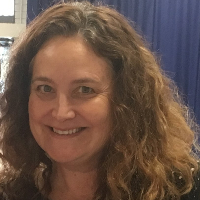
Rhonda Hunt
LMFT
Experienced California LMFT supporting change
Opens BetterHelp in a new tab, where you can review online therapy options.
- 20 years experience
- Focus on anger
- Practical coping skills
About Rhonda
Rhonda uses a collaborative, down-to-earth style. Sessions are conversational and goal-focused. She helps clients build self-love, improve communication, and find clearer direction in life. Practical skills and small, achievable steps are a common part of her work.
Her background includes long-term clinical practice with people coping with panic attacks, mood disorders, and post-traumatic stress. She also supports those struggling with codependency, abandonment issues, and forgiveness. That experience informs how she tailors interventions to each person.
Rhonda draws on several established approaches, including client-centered methods, cognitive behavioral techniques, mindfulness, EMDR, and Imago relationship ideas. She blends these to match a client’s goals rather than following a single script.
People who meet with Rhonda can expect direct communication, a focus on skills they can use between sessions, and attention to both emotional healing and everyday coping. She aims to help clients make steady, practical changes so life feels more manageable.
Areas of expertise
Primary focus
Also works with
Additional focus areas
Therapeutic approaches
Experience
20+ years
Credentials
California
Languages
English
How Rhonda’s Approaches Work Online and in Sessions
Client-centered work means the conversation follows the client’s needs. The therapist listens, reflects, and helps people identify goals that feel meaningful to them. This approach is useful for building self-esteem and improving communication.Cognitive Behavioral Therapy (CBT) focuses on noticing unhelpful thoughts and changing behaviors that keep problems going. It often includes simple exercises and practice between sessions to reduce anxiety, panic, and mood symptoms.
Eye Movement Desensitization and Reprocessing (EMDR) is a method used to process traumatic memories and the intense feelings tied to them. When it fits a person's goals, it can be used alongside other strategies to address post-traumatic stress and related symptoms.
Finding the right fit is part of the work. The therapist will collaborate with each person to choose which methods to try, adjusting as needs and goals become clearer. This is a team process where the client’s preferences guide the plan.
If you are considering online sessions, confirm current session options before booking since specific formats are not listed in the biography. Online care can make it easier to schedule around work or family, reduce travel time, and allow shorter check-ins when needed. Licensed professionals can adapt client-centered talk, CBT exercises, and EMDR-influenced processing to an online setting while focusing on practical steps that fit everyday life.
At a glance
- Listed location
- California
- Experience
- 20+ years
- Credentials
- LMFT
- Languages
- English
- License (California)
- LMFT · No. 44141
- NPI
- 1821118183
As listed by the therapist. You can check a license with the state board and an NPI with the national registry.
Frequently asked questions
What concerns does Rhonda commonly address?
She works with stress, anxiety, depression, anger, relationship and family issues, trauma and abuse, addictions, grief, self-esteem, and life transitions.
How would you describe her therapeutic style?
Her approach is compassionate and collaborative, with conversational sessions and a focus on practical skills clients can apply between meetings.
What kind of experience does she bring?
Rhonda has 20 years of clinical experience, including work with panic attacks, mood disorders, post-traumatic stress, and family of origin concerns.
What credentials and location are listed for this therapist?
She is a licensed marriage and family therapist, LMFT, practicing in California.
Which languages are supported for sessions?
Sessions are offered in English.
What session formats are available?
Confirm current session options with the service before booking, as the biography does not list specific formats.
How are fees or payment handled?
Cost varies with location and therapist availability; sessions use a subscription that can be canceled at any time.
How do I begin working with Rhonda?
Use the Start Therapy button, complete a short matching questionnaire, and schedule according to the therapist's availability.
Before you start
- Online talk therapy is not a court-ordered or mandated anger-management course, and it does not provide attendance certificates.
- Check that the location and license details above fit where you live.
- If anyone is at risk of being harmed, contact emergency services or a domestic-abuse helpline first. See the support lines for the US, UK and Australia.