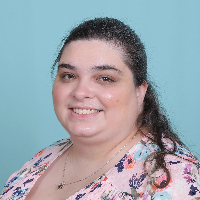
Rebecca Burda
LCSW
Calm, direct support for strong emotions
Opens BetterHelp in a new tab, where you can review online therapy options.
- Person-centered approach
- Practical coping skills
- Parent and caregiver focus
About Rebecca
She practices in Wisconsin and uses a direct, honest style in sessions. Rebecca aims to be genuine and person-centered. She listens first, then helps set clear goals and practical steps clients can try between visits.
Her work often focuses on trauma, mood disorders, ADHD, and anger. She draws on methods like cognitive behavioral techniques and mindfulness to manage upsetting thoughts and behaviors. When trauma appears central, she may integrate EMDR-informed strategies alongside other approaches.
Rebecca has experience with adoption and foster care issues, autism spectrum concerns, blended family stress, caregiver strain, and intellectual disability paired with mental health needs. She also addresses panic, self-esteem, impulse control, and compassion fatigue. Sessions emphasize skills people can use in daily life to reduce distress.
Clients can expect a collaborative plan that matches their goals. Rebecca talks through priorities, offers concrete tools, and adjusts the work as needs change. She welcomes people who want practical strategies and straightforward conversation about managing life changes and strong emotions.
Areas of expertise
Primary focus
Also works with
Additional focus areas
Therapeutic approaches
Experience
9+ years
Credentials
Wisconsin, Minnesota, Tennessee, Illinois
Languages
English
Approaches you can try in online sessions
Rebecca uses Client-Centered Therapy to keep the work focused on the person in front of her. That means she listens without judgment, reflects what she hears, and helps people name goals they want to pursue. Cognitive Behavioral Therapy, or CBT, is used to spot unhelpful thoughts and test new behaviors that reduce anxiety, panic, and low mood. Dialectical Behavior Therapy, or DBT, offers concrete skills for emotion regulation, distress tolerance, and better interpersonal communication.Finding the right approach happens together. Rebecca will talk with each person about what feels most useful and tailor the plan to their needs and goals. She integrates different methods rather than sticking to one model, so sessions can focus on skills practice, trauma processing, or goal-setting depending on what the client wants to work on.
The original profile does not list which session formats are offered, so please confirm current online options before booking. Many people find online therapy easier to fit into work, school, and caregiving schedules because it saves travel time and can make short check-ins possible. It also makes it simpler to practice skills in real-life settings and to keep therapy consistent during life transitions.
At a glance
- Listed location
- Wisconsin
- Experience
- 9+ years
- Credentials
- LCSW
- Languages
- English
- License (Wisconsin)
- LCSW · No. 8958-123
- License (Minnesota)
- LICSW · No. 34034
- License (Tennessee)
- LCSW · No. 9503
- License (Illinois)
- LCSW · No. 149.030026
- NPI
- 1679030894
As listed by the therapist. You can check a license with the state board and an NPI with the national registry.
Frequently asked questions
What concerns does Rebecca commonly address?
Rebecca works with stress, anxiety, trauma and abuse, parenting challenges, depression, ADHD, anger, self-esteem, and mood disorders among other concerns.
How would you describe her therapeutic style?
She uses a person-centered, direct style and aims to be radically genuine and open while helping clients set goals and try practical steps between sessions.
What is her background and experience?
She has nine years of clinical experience working with people across the lifespan and has supported those with depression, anxiety, PTSD, autism, ADHD, and mild to moderate cognitive disabilities.
What credentials and location are listed?
Rebecca holds LCSW credentials and practices in Wisconsin with licensure noted as IL LCSW and WI LCSW.
Which languages and international clients are supported?
Sessions are offered in English and she accepts international clients.
What session formats are available?
The original biography does not specify session formats; please confirm current session options with the service before booking.
How is cost handled for sessions?
Cost varies with location and therapist availability; sessions use a subscription that can be canceled at any time.
How do I start working with her?
Select the Start Therapy button, complete a short matching questionnaire, and schedule according to therapist availability.
Before you start
- Online talk therapy is not a court-ordered or mandated anger-management course, and it does not provide attendance certificates.
- Check that the location and license details above fit where you live.
- If anyone is at risk of being harmed, contact emergency services or a domestic-abuse helpline first. See the support lines for the US, UK and Australia.