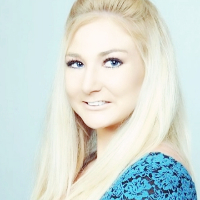
Rachel Stuart
LPC
Compassionate, action-focused counseling for change
Opens BetterHelp in a new tab, where you can review online therapy options.
- Integrative practical approach
- Focus on present goals
- Helps manage anger
About Rachel
She has about 10 years of experience working in community mental health settings and with individuals facing mood and life-phase challenges. Her background includes coordinating psychosocial rehabilitation services in long-term care and providing individual and group psychotherapy. Rachel earned a Bachelor of Science in Psychology and a Master of Science in Mental Health Counseling from Mississippi College.
Rachel uses a human-centered, integrative method that emphasizes present concerns and future goals. She draws on Acceptance and Commitment Therapy (ACT), Cognitive Behavioral Therapy (CBT), Dialectical Behavior Therapy (DBT), Narrative Therapy, and Solution-Focused techniques to match strategies to each person’s needs. Sessions commonly address emotions, thoughts, behaviors, and practical next steps.
She often helps people working through stress, anxiety, depression, grief, relationship strain, trauma and abuse, parenting stress, anger, eating concerns, low self-esteem, career questions, and bipolar mood challenges. The emphasis is on identifying strengths, spotting exceptions to problems, and taking steps toward change.
Rachel invites people to bring their full story and to collaborate on realistic goals. She focuses on clear, concrete work in therapy so people can see progress and reclaim a sense of possibility.
Areas of expertise
Primary focus
Also works with
Therapeutic approaches
Experience
10+ years
Credentials
Mississippi
Languages
English
How these approaches translate to online work
Acceptance and Commitment Therapy (ACT) focuses on clarifying values and taking small, meaningful actions even when feelings are difficult. It can help with persistent worry, grief, and anger by guiding people to choose actions that match what matters to them. Cognitive Behavioral Therapy (CBT) looks at links between thoughts, feelings, and actions and teaches practical skills to change unhelpful patterns. CBT is often used for anxiety, depression, and managing strong emotions like anger. Dialectical Behavior Therapy (DBT) offers skills for emotional regulation, distress tolerance, and improved interpersonal interactions, which can be useful when emotions feel overwhelming.Choosing the best approach is part of the therapy process. The therapist works collaboratively with each person to try methods, notice what helps, and adjust the plan based on goals and preferences. This means treatment can shift over time to fit what actually works for the person.
Online therapy can make it easier to fit sessions into a busy life by removing travel time and allowing people to meet from where they are. Since the available session formats were not specified in the biography, confirm current session options before booking. Many people find online sessions helpful for consistent follow-through, shorter check-ins when needed, and practicing skills in real-world settings between meetings. Licensed professionals can use these approaches to help clients build skills, manage anger, and work toward clearer goals.
At a glance
- Listed location
- Mississippi
- Experience
- 10+ years
- Credentials
- LPC
- Languages
- English
- License (Mississippi)
- LPC · No. 1857
- NPI
- 1578114005
As listed by the therapist. You can check a license with the state board and an NPI with the national registry.
Frequently asked questions
What kinds of concerns does Rachel address?
She works with stress, anxiety, depression, grief, relationship issues, trauma and abuse, parenting strain, eating concerns, anger, low self-esteem, career issues, and bipolar mood challenges.
How would you describe her therapy style?
Her style is action-oriented and human-centered, focusing on present concerns and practical steps toward goals. She adapts methods to match each person's needs.
What experience does she bring to therapy?
Rachel has about 10 years of experience that includes work in community mental health, group and individual therapy, and coordinating psychosocial programs in long-term care.
What are her credentials and where is she located?
Rachel holds a Master of Science in Mental Health Counseling and is a Licensed Professional Counselor (LPC) practicing in Mississippi.
Which languages are supported for sessions?
Sessions are offered in English.
Can people outside the U.S. work with her?
She does not accept international clients at this time.
How does cost and payment work?
Cost varies with location and therapist availability; sessions use a subscription that can be canceled at any time.
What steps are involved in getting started?
Click the Start Therapy button, complete a short matching questionnaire, and schedule according to therapist availability.
Before you start
- Online talk therapy is not a court-ordered or mandated anger-management course, and it does not provide attendance certificates.
- Check that the location and license details above fit where you live.
- If anyone is at risk of being harmed, contact emergency services or a domestic-abuse helpline first. See the support lines for the US, UK and Australia.