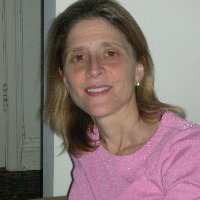
Rachel Margolin
LCSW
Compassionate LCSW helping people manage anger
Opens BetterHelp in a new tab, where you can review online therapy options.
- Warm collaborative style
- Practical behavior tools
- LGBTQ affirmative
About Rachel
She listens carefully and treats clients as the experts on their own lives. Sessions are collaborative - Rachel asks questions, reflects what she hears, and helps people set reachable goals. She combines tools from cognitive-behavioral work with client-centered and acceptance-based ideas to shape practical steps forward.
Rachel uses techniques that help people notice unhelpful thinking and try different behaviors. She also draws on attachment-informed perspectives to explore how early relationships affect current patterns. Mindfulness and emotion-regulation strategies are used when they fit a person's goals.
People often come for help with parenting challenges, career stress, grief, addiction concerns, and self-esteem problems. She also supports those facing life changes such as divorce, fertility or adoption-related questions, and aging issues. Her approach is adaptable to the situation presented.
Sessions move at a steady, respectful pace. Rachel balances skill-building with reflective conversation so clients leave with something concrete to try. She encourages small experiments between meetings to test what works in day-to-day life.
Areas of expertise
Primary focus
Also works with
Additional focus areas
Therapeutic approaches
Experience
27+ years
Credentials
New Jersey, Pennsylvania
Languages
English
How therapeutic approaches guide online work
Acceptance and Commitment Therapy (ACT) focuses on helping people clarify what matters to them and take committed action toward those values. It uses exercises to notice thoughts and feelings without being driven by them, which can help with anger, anxiety, and life transitions.Cognitive Behavioral Therapy (CBT) looks at the link between thoughts, feelings, and behavior. It teaches concrete skills to challenge unhelpful thoughts and try alternative actions, useful for depression, anxiety, and anger management.
Rachel will collaborate with each person to find the best fit among these and other approaches. She listens to goals and preferences, discusses options, and adjusts methods as people try different strategies together.
If you are considering online sessions, confirm the exact session formats available before booking. Online work can make it easier to fit therapy into a busy week, allow shorter check-ins when needed, and remove travel time so people can use a break at work or care for family responsibilities. Talk with the therapist about scheduling and session length to find an arrangement that fits your routine.
At a glance
- Listed location
- Pennsylvania
- Experience
- 27+ years
- Credentials
- LCSW
- Languages
- English
- License (New Jersey)
- LCSW · No. 44SC05348500
- License (Pennsylvania)
- LCSW · No. CW015815
- NPI
- 1124198460
As listed by the therapist. You can check a license with the state board and an NPI with the national registry.
Frequently asked questions
What concerns does Rachel work with?
She helps with stress, anxiety, depression, anger, relationship and parenting concerns, plus issues like addiction, grief, self-esteem, and career strain.
How would you describe her therapeutic style?
Her style is warm and interactive. She listens closely, treats clients as experts, and uses practical steps alongside reflective conversation.
What kind of experience does she bring?
Rachel has 27 years of clinical experience working as a therapist and life coach across a wide range of difficulties.
What credentials and location are listed?
She holds LCSW credentials in Pennsylvania and New Jersey and practices from Pennsylvania.
Which languages are supported?
Sessions are offered in English.
Does she accept international clients?
International clients are not currently accepted.
How does payment and cost work?
Cost varies with location and therapist availability; sessions use a subscription that can be canceled at any time.
How do I begin working with her?
Select the Start Therapy button, complete a short matching questionnaire, and schedule according to therapist availability.
Before you start
- Online talk therapy is not a court-ordered or mandated anger-management course, and it does not provide attendance certificates.
- Check that the location and license details above fit where you live.
- If anyone is at risk of being harmed, contact emergency services or a domestic-abuse helpline first. See the support lines for the US, UK and Australia.