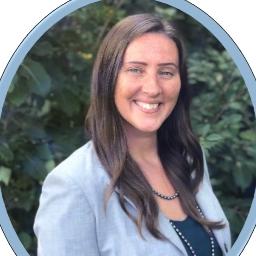
Rachel Jones
LPC
Practical, culturally aware counseling for life stressors
Opens BetterHelp in a new tab, where you can review online therapy options.
- Evening hours available
- Client-centered care
- Focus on practical goals
About Rachel
Areas of expertise
Also works with
Additional focus areas
Therapeutic approaches
Experience
13+ years
Credentials
Missouri
Languages
English
Approaches that translate to online work
Client-centered therapy focuses on listening and responding to what matters most to the person. In practice this means the therapist follows the client's lead and helps clarify goals and values. Cognitive Behavioral Therapy, or CBT, breaks problems down into thoughts, feelings, and actions, and teaches concrete skills to shift patterns that fuel anxiety, anger, or low mood. Mindfulness therapy brings simple practices to increase present-moment awareness and reduce reactivity, which many people find useful for stress and anger management.Finding the right approach is a collaborative process. The therapist will talk with each person about their goals, preferences, and what has or hasn't worked before. That conversation guides whether to rely more on skill-based CBT, present-focused mindfulness, or client-centered listening and planning.
The biography does not list specific online or phone formats, so confirm current session options before booking. Online work can make it easier to fit counseling into a busy week, allow evening scheduling, and reduce travel time. It also lets sessions focus on short skill practice, goal-setting, and problem-solving that can be practiced between meetings to support changes in daily life.
At a glance
- Listed location
- Missouri
- Experience
- 13+ years
- Credentials
- LPC
- Languages
- English
- License (Missouri)
- LPC · No. 2010001242
- NPI
- 1740586528
As listed by the therapist. You can check a license with the state board and an NPI with the national registry.
Frequently asked questions
What kinds of concerns does Rachel help with?
She helps people struggling with stress, anxiety, trauma and abuse, grief, depression, compassion fatigue, addictions, anger, self-esteem, relationship and family issues, parenting challenges, career and ADHD concerns, and related topics.
What is Rachel's therapeutic style?
Her work is client-centered and culturally aware. She also uses cognitive behavioral techniques, mindfulness, motivational interviewing, and solution-focused ideas to set goals and practice coping skills.
How much clinical experience does she have?
Rachel has provided therapy for 13 years and has additional experience in leadership roles such as supervisor and clinic director within mental health services.
What are her credentials and where is she based?
She is a Licensed Professional Counselor (LPC) licensed in Missouri and completed graduate training in educational, school, and counseling psychology at the University of Missouri-Columbia.
Which languages are supported and can international clients work with her?
Sessions are offered in English. International clients are not currently accepted.
What session formats are offered?
The therapist's biography does not specify session formats. Please confirm current session options before booking to ensure they meet your needs.
How are fees handled?
Cost varies with location and therapist availability. Sessions use a subscription that can be canceled at any time.
How do I begin if I want to work with Rachel?
Use the Start Therapy button on the site, complete a short matching questionnaire, and schedule according to the therapist's availability.
Before you start
- Online talk therapy is not a court-ordered or mandated anger-management course, and it does not provide attendance certificates.
- Check that the location and license details above fit where you live.
- If anyone is at risk of being harmed, contact emergency services or a domestic-abuse helpline first. See the support lines for the US, UK and Australia.