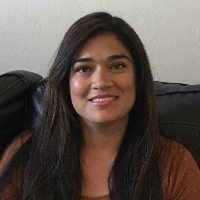
Rachel Bentley
LMFT
Practical therapy for relationship and anger challenges
Opens BetterHelp in a new tab, where you can review online therapy options.
- Attachment-focused work
- Skill building approach
- Relational perspective
About Rachel
Rachel trained at Pepperdine University and earned her LMFT credential in Arizona. She worked in group homes, schools, outpatient addiction programs, and residential settings for adults with serious mental illness. Those roles shaped her practical, down-to-earth approach to therapy and gave her experience with a wide range of life challenges.
In sessions Rachel focuses on how early attachments and past caregiver relationships influence present-day thoughts and reactions. She mixes attachment-based ideas with cognitive and behavioral tools to help people notice and change unhelpful thinking and behavior. She also uses elements of dialectical behavior therapy to teach emotion regulation and coping skills.
Rachel emphasizes strengths and workable skills. She helps people name what’s already helping them and build on it. Her style is collaborative and straightforward, aimed at clear steps people can use between sessions.
Outside of work she is active with her children’s school and sports, and she has long experience connected to military life. Those personal experiences inform her understanding of the stresses families and individuals face today.
Areas of expertise
Primary focus
Also works with
Additional focus areas
Therapeutic approaches
Experience
8+ years
Credentials
Arizona
Languages
English
How attachment and skills work online
Attachment-based work looks at how early relationships shaped current reactions and connection patterns; it helps people understand why they respond the way they do in close relationships. Client-centered therapy centers the person’s goals and pace, letting the therapist follow what the client finds most meaningful and build on existing strengths. Cognitive Behavioral Therapy (CBT) focuses on spotting unhelpful thoughts and testing them with practical exercises and behavior changes to reduce anxiety, anger, and low mood.Deciding which approach to use is a team effort. The therapist will talk with the client about goals, preferences, and what feels most useful. That collaborative process helps shape a plan that blends understanding relationship patterns with hands-on skills practice.
Confirm available session options before booking, as the biography does not list specific formats. Online therapy can make it easier to fit sessions into a busy week, reduce travel time, and allow focused check-ins between other responsibilities. Some approaches lend themselves to short skills practice or worksheet work that fits well into online sessions, while others center on talking through relationship patterns and practicing new responses. The therapist and client will decide together how to structure sessions to match goals and day-to-day life.
At a glance
- Listed location
- Arizona
- Experience
- 8+ years
- Credentials
- LMFT
- Languages
- English
- License (Arizona)
- LMFT · No. LMFT-15246
- NPI
- 1861524498
As listed by the therapist. You can check a license with the state board and an NPI with the national registry.
Frequently asked questions
What kinds of concerns does Rachel address?
She helps people with stress, anxiety, relationship trouble, trauma and abuse, self-esteem, grief, parenting strain, addictions, and anger among other issues.
How would you describe her therapy style?
Her style is collaborative and straightforward, combining attachment ideas with cognitive and behavioral techniques and emotion-regulation skills.
What is her professional background?
Rachel has eight years of clinical practice since licensure and earlier experience in group homes, school-based counseling, addiction programs, and residential services.
What credentials and location are listed for this therapist?
She is a licensed marriage and family therapist, LMFT, licensed in Arizona and practices there.
Are sessions available in other languages or for international clients?
Sessions are offered in English and international clients are not currently accepted.
Which session formats does she offer?
Please confirm current session options before booking, as formats are not specified in the biography.
How is cost handled for therapy with Rachel?
Cost varies with location and therapist arrangements; sessions use a subscription that can be canceled at any time.
What are the steps to begin working together?
Click the Start Therapy button, complete the short matching questionnaire, and schedule according to the therapist's availability.
Before you start
- Online talk therapy is not a court-ordered or mandated anger-management course, and it does not provide attendance certificates.
- Check that the location and license details above fit where you live.
- If anyone is at risk of being harmed, contact emergency services or a domestic-abuse helpline first. See the support lines for the US, UK and Australia.