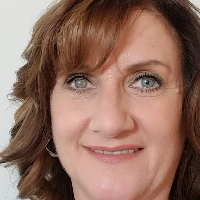
Phyllis Smith
LMFT
Expertise in relationships and emotional regulation
Opens BetterHelp in a new tab, where you can review online therapy options.
- Strengths based
- Goal oriented
- Practical skills
About Phyllis
She focuses on concerns such as stress, anxiety, relationship and family issues, parenting challenges, depression, addictions, grief, anger, and self-esteem. Phyllis also supports people coping with ADHD, bipolar mood concerns, intimacy questions, and life changes. Her background includes work with diverse people across differences in race, ethnicity, sexual orientation, and gender identity.
Phyllis draws on client-centered work and cognitive behavioral therapy to make counseling practical and goal-focused. She also integrates elements of existential and mindfulness approaches to help people notice values, stay present, and manage strong emotions. The Gottman Method informs how she addresses communication and relationship patterns.
In sessions she emphasizes collaboration and small experiments. She helps clients set short-term goals and practices new skills between meetings. Phyllis looks for strengths clients can use right away to reduce stress and rebuild hope.
She practices in North Carolina and holds an NC LMFT credential. Sessions are conducted in English. Prospective clients should confirm current session options before booking, since formats are not specified here.
Areas of expertise
Primary focus
Also works with
Additional focus areas
Therapeutic approaches
Experience
5+ years
Credentials
North Carolina
Languages
English
How her approaches translate to online therapy
Client-Centered Therapy focuses on building a respectful, nonjudgmental relationship so clients can explore their goals and values at their own pace. This approach helps when people want support sorting priorities, improving self-esteem, or deciding next steps in relationships.Cognitive Behavioral Therapy (CBT) targets thoughts and behaviors that keep problems going. It uses clear, practical exercises to reduce anxiety, manage mood, and address anger or addictive patterns. Sessions often include homework and small experiments to practice new skills between meetings.
Mindfulness-based work helps people notice emotions and physical reactions without getting swept away. It can aid stress reduction and make it easier to respond rather than react during heated moments.
Choosing an approach is a collaborative process. The therapist will discuss your needs, goals, and preferences and recommend methods to try. Together they adjust the plan as progress and challenges arise.
Session formats are not listed in the biography, so confirm the available online options before booking. Online therapy can make it easier to fit sessions into a busy week, reduce travel time, and allow for brief check-ins when life is hectic. It also supports continuity of care when schedules or locations change, while the therapist helps tailor practices so they work in your everyday routines.
At a glance
- Listed location
- North Carolina
- Experience
- 5+ years
- Credentials
- LMFT
- Languages
- English
- License (North Carolina)
- LMFT · No. 1905
- NPI
- 1598111866
As listed by the therapist. You can check a license with the state board and an NPI with the national registry.
Frequently asked questions
What concerns does Phyllis commonly address?
She helps people with stress, anxiety, relationship and family issues, parenting, depression, addictions, grief, anger, self-esteem, and related concerns.
What is her therapeutic style like?
Her style is collaborative and strengths based, focusing on practical skills and short-term goals that help clients change patterns and feel more capable.
How much clinical experience does she have?
She has five years of experience working as a therapist with diverse people across race, ethnicity, sexual orientation, and gender identity.
What credential does she hold and where does she practice?
She is a Licensed Marriage and Family Therapist (LMFT) licensed in North Carolina and practices there.
Are sessions offered in other languages or to international clients?
Sessions are offered in English. International clients are not currently accepted.
What session formats are available?
Session formats are not specified here; please confirm current options with the service before booking.
How are fees and payments handled?
Cost varies with location and therapist availability; sessions are billed through a subscription that can be canceled at any time.
How do I begin working with her?
Click the Start Therapy button, complete a short matching questionnaire, and schedule according to therapist availability.
Before you start
- Online talk therapy is not a court-ordered or mandated anger-management course, and it does not provide attendance certificates.
- Check that the location and license details above fit where you live.
- If anyone is at risk of being harmed, contact emergency services or a domestic-abuse helpline first. See the support lines for the US, UK and Australia.