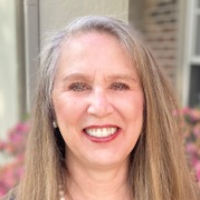
Paula Fowler
LCSW
Compassionate, practical therapy for life stressors
Opens BetterHelp in a new tab, where you can review online therapy options.
- Warm interactive style
- Practical coping skills
- Strengths focused
About Paula
Paula adapts conversations and plans to each person's needs. She combines cognitive behavioral techniques, solution-focused ideas, and motivational interviewing to help people notice patterns, set small goals, and keep moving forward. Sessions are practical and aimed at building everyday coping skills.
People often come for help with depression, relationship and family concerns, trauma and abuse, ADHD, career changes, and caregiver strain. Paula also supports those dealing with end-of-life decisions, cancer-related stress, or the fallout of divorce and separation. She frames problems in plain language and focuses on clear steps clients can try between sessions.
Her style stresses collaboration. Paula treats clients as the experts on their lives while offering guidance and tools that can change daily routines. She emphasizes strengths, realistic problem solving, and finding actions that fit each person's life.
If someone is ready to take a step toward change, Paula offers steady support and practical feedback. Conversations aim to reduce overwhelm and make problem solving feel more manageable.
Areas of expertise
Primary focus
Also works with
Additional focus areas
Therapeutic approaches
Experience
6+ years
Credentials
Tennessee
Languages
English
How Paula’s Approaches Guide Online Work
Paula uses cognitive behavioral therapy to help people spot unhelpful thinking and try different behaviors. CBT focuses on identifying patterns, testing small changes, and measuring what helps reduce symptoms like anxiety or low mood.She also draws on solution-focused therapy, which centers on setting concrete goals and building on what already works. This approach is useful when someone wants quick, practical steps to handle day-to-day problems or parenting challenges.
Motivational interviewing is part of her toolkit to support people who feel stuck or uncertain about change. That approach helps clarify personal motivation and build commitment to goals without pressure.
Finding the right style is a collaborative process. Paula will talk with each person about their goals and preferences and together decide which approaches to try. She adapts methods to fit the client’s pace and priorities rather than following a fixed plan.
Confirm current session options before booking, as specific formats are not listed in the biography. In general, online therapy can make it easier to fit sessions into a busy week, allow shorter check-ins when needed, and reduce travel time. Licensed professionals can use these methods effectively over distance while focusing on practical tools and homework that fit everyday life.
At a glance
- Listed location
- Tennessee
- Experience
- 6+ years
- Credentials
- LCSW
- Languages
- English
- License (Tennessee)
- LCSW · No. 7074
- NPI
- 1962908699
As listed by the therapist. You can check a license with the state board and an NPI with the national registry.
Frequently asked questions
What concerns does Paula help with?
She helps people with stress, anxiety, depression, grief, anger, parenting challenges, relationship and family issues, trauma and abuse, ADHD, career and life changes, and caregiver and end-of-life pressures.
What is her therapeutic style like?
Her sessions are described as warm and interactive. She works collaboratively and focuses on respectful, practical conversation and clear next steps.
How much clinical experience does she have?
She has six years of experience as a Licensed Clinical Social Worker working with a range of concerns in different care settings.
What are her credentials and where is she based?
She holds LCSW credentials and practices in Tennessee.
Which languages are supported and can international clients work together?
Sessions are offered in English. International clients are not currently accepted.
What session formats are offered?
Please confirm current session options before booking, as formats are not specified in the biography.
How does cost work for sessions?
Cost varies with location and therapist availability; sessions use a subscription that can be canceled at any time.
What are the steps to get started?
Click the Start Therapy button, complete a short matching questionnaire, and schedule according to therapist availability.
Before you start
- Online talk therapy is not a court-ordered or mandated anger-management course, and it does not provide attendance certificates.
- Check that the location and license details above fit where you live.
- If anyone is at risk of being harmed, contact emergency services or a domestic-abuse helpline first. See the support lines for the US, UK and Australia.