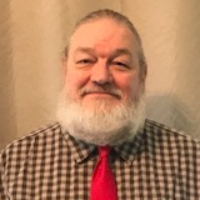
Paul Pangburn Jr.
LCSW
Practical, experience‑based therapy for anger and stress
Opens BetterHelp in a new tab, where you can review online therapy options.
- 20 years experience
- Uses CBT
- Mindfulness tools
About Paul
He prefers straightforward, practical sessions. He uses Cognitive Behavioral Therapy, and incorporates mindfulness techniques where useful. Paul aims to help people find the answers they are seeking rather than telling them what to do.
People come to him for help with stress, anxiety, anger, low self-esteem, and depression. He also supports those facing relationship strain, trauma and abuse, and major life changes. Additional focus areas include aging and geriatric concerns, divorce and separation, guilt and shame, infidelity, isolation and loneliness, and questions about life purpose.
In sessions Paul draws on real-world experience to make therapy relatable. He listens for patterns in thoughts and behaviors and helps people try different ways of responding. Mindfulness practices are used to help calm the mind and increase awareness.
His style is collaborative and down-to-earth. He emphasizes practical steps that can be tried between sessions. Paul works in English and practices in Pennsylvania as an LCSW.
Areas of expertise
Primary focus
Also works with
Additional focus areas
Therapeutic approaches
Experience
20+ years
Credentials
Pennsylvania
Languages
English
How CBT and Mindfulness work online
Paul uses Cognitive Behavioral Therapy to help people notice unhelpful thought patterns and try new behavioral responses. CBT sessions often involve setting clear goals, testing small changes between meetings, and reviewing what worked.He also uses Mindfulness Therapy to build attention and calm through simple awareness practices. Mindfulness can help with anger, anxiety, and stress by teaching techniques to steady focus and reduce reactivity.
Finding the right approach is part of the work together. The therapist will discuss goals, personal preferences, and daily routines to figure out which methods fit best. This is a collaborative process that can change as needs evolve.
Session formats are not specified in the provided biography, so confirm current session options before booking. Online work can make it easier to fit therapy into a busy life by reducing travel time, allowing quicker follow-ups, and providing flexibility around work or caregiving obligations. Talk with the therapist about what will fit your schedule and needs before you book.
At a glance
- Listed location
- Pennsylvania
- Experience
- 20+ years
- Credentials
- LCSW
- Languages
- English
- License (Pennsylvania)
- LCSW · No. CW017918
- NPI
- 1508297482
As listed by the therapist. You can check a license with the state board and an NPI with the national registry.
Frequently asked questions
What concerns does Paul focus on?
He helps people with stress, anxiety, anger, self-esteem, depression, relationships, trauma and coping with life changes.
How would you describe his therapy style?
His approach is practical and down-to-earth, with collaborative sessions that focus on real steps to try between meetings.
What is his professional background?
Paul has worked as a Clinical Social Worker since 2005 and previously spent over 30 years in the chemical industry.
What credentials and location are listed?
He is a Licensed Clinical Social Worker (LCSW) practicing in Pennsylvania.
Which languages are available for sessions?
Sessions are offered in English.
Does he work with international clients?
He does not accept international clients at this time.
How are session costs handled?
Cost varies with location and therapist availability; sessions use a subscription that can be canceled at any time.
What do I do to begin therapy?
Choose the Start Therapy button, complete a short matching questionnaire, and schedule according to the therapist's availability.
Before you start
- Online talk therapy is not a court-ordered or mandated anger-management course, and it does not provide attendance certificates.
- Check that the location and license details above fit where you live.
- If anyone is at risk of being harmed, contact emergency services or a domestic-abuse helpline first. See the support lines for the US, UK and Australia.