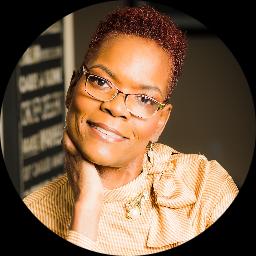
Patricia "Trish" West
LCSW
Calm support for anger and life transitions
Opens BetterHelp in a new tab, where you can review online therapy options.
- 19 years experience
- LCSW in North Carolina
- Client-centered approach
About Patricia
Trish builds an open, nonjudgmental space where people can speak honestly about thoughts and feelings. She listens closely and helps clients identify patterns that get in the way of feeling better. Conversations focus on practical changes and clearer goals so daily life can feel more manageable.
Her approach draws on client-centered work that prioritizes the person's experience. She also uses cognitive behavioral techniques to spot and shift unhelpful thinking, and motivational interviewing to strengthen commitment to change. Narrative and psychodynamic ideas inform how she looks at life stories and long-standing patterns.
With 19 years of professional experience, Trish brings patience and steady support to each session. She encourages small steps that align with a person’s values and pace. Her aim is to help people feel more capable of handling tough emotions and stressful situations.
People who reach out can expect straightforward conversation, practical tools, and guidance toward clearer choices. If you want help managing anger, grief, parenting strain, ADHD-related challenges, or recovering from past hurt, Trish offers a calm, focused approach to move forward.
Areas of expertise
Also works with
Additional focus areas
Therapeutic approaches
Experience
19+ years
Credentials
North Carolina
Languages
English
Approaches that translate to online work
Client-centered therapy focuses on the person’s own experience. It means the therapist listens deeply, follows your lead, and helps you find your own solutions. This approach supports issues like low self-esteem, grief, and relationship concerns. Cognitive behavioral therapy, or CBT, looks at how thoughts and behaviors connect. It teaches practical skills for managing anxiety, anger, and depression by changing unhelpful thinking and routines.Finding the right approach is a collaborative process. The therapist will discuss goals, try out methods, and adjust what’s used based on how helpful it feels. You and the therapist work together to decide which techniques fit your needs and preferences.
Confirm current session options before booking so you know what formats are available. Online work can make it easier to fit sessions into a busy week, reduce travel time, and allow for shorter check-ins when needed. It also lets people continue care during life transitions or when scheduling is tight. Licensed professionals can adapt CBT exercises, client-centered conversations, and motivational strategies to an online setting so therapy can be practical and focused even when meeting remotely.
At a glance
- Listed location
- North Carolina
- Experience
- 19+ years
- Credentials
- LCSW
- Languages
- English
- License (North Carolina)
- LCSW · No. C014654
- NPI
- 1851695522
As listed by the therapist. You can check a license with the state board and an NPI with the national registry.
Frequently asked questions
What kinds of concerns does Patricia address?
She works with stress, anxiety, trauma and abuse, anger, depression, relationship and family issues, grief, parenting strain, career concerns, ADHD, and related areas such as codependency and body image.
What is her overall therapy style?
Her style is open and nonjudgmental. Sessions focus on listening, practical steps, and helping people set goals that fit their lives.
How much experience does she have?
She has 19 years of professional work experience supporting people with a range of concerns.
What credentials and location are listed?
She holds an LCSW credential and practices in North Carolina.
Which languages are available for sessions?
Sessions are offered in English only.
Can international clients work with her?
International clients are not accepted at this time.
How are fees and payment handled?
Cost varies with location and therapist availability; sessions use a subscription that can be canceled at any time.
How do I begin or schedule a session?
Select the Start Therapy button, complete a short matching questionnaire, and schedule according to therapist availability.
Before you start
- Online talk therapy is not a court-ordered or mandated anger-management course, and it does not provide attendance certificates.
- Check that the location and license details above fit where you live.
- If anyone is at risk of being harmed, contact emergency services or a domestic-abuse helpline first. See the support lines for the US, UK and Australia.