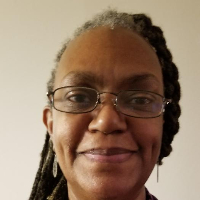
Pamela Byrd
LCPC
Compassionate clinician focusing on practical change
Opens BetterHelp in a new tab, where you can review online therapy options.
- Practical coping skills
- Values-based work
- Mindfulness practices
About Pamela
She favors cognitive behavioral ideas alongside whole-person supportive techniques. That means sessions often focus on identifying unhelpful thinking patterns, testing new behaviors, and building skills to cope in real situations. Pamela also draws on Acceptance and Commitment Therapy and mindfulness to help people live in line with their values.
Pamela earned a BS, an MS, and completed postgraduate studies at Johns Hopkins University. She founded PBMJ Consultants and Associates, L.L.C. in Baltimore, Maryland in 2012 and has worked as a clinician and clinical supervisor for many years. Her background includes public speaking, workshop facilitation, and national and international training experience.
Her practice covers grief counseling, anger management, stress management, conflict resolution, and support for gambling and substance dependence. Pamela describes healing as involving spirit, mind, and body, and she aims to support changes that feel meaningful and lasting.
People who choose Pamela can expect direct, practical sessions that blend teaching, coaching, and reflection. She encourages clients to set concrete goals and practice skills between meetings to make steady progress.
Areas of expertise
Primary focus
Also works with
Additional focus areas
Therapeutic approaches
Experience
25+ years
Credentials
Maryland
Languages
English
How Pamela’s approaches translate to online work
Acceptance and Commitment Therapy helps people notice what matters to them and take small steps toward those values even when emotions are strong. It is useful for stress, anxiety, anger, and life transitions. Cognitive Behavioral Therapy focuses on spotting unhelpful thoughts and testing new behaviors to change how someone feels and acts. It is often used for anxiety, depression, addictions, and anger. Mindfulness therapy teaches attention and breathing skills to reduce reactivity and improve emotional regulation in daily life.Choosing the right approach is collaborative. Pamela will look at symptoms, goals, and what fits the person’s situation. Together they try methods, review what helps, and adjust the plan so work in sessions transfers to everyday life.
The biography did not list specific online formats, so confirm the current session options before booking. In general, online therapy can make it easier to fit sessions into a busy week, shorten travel time, and allow check-ins during a break. Some formats work better when someone prefers not to be on camera or needs a quick phone check-in, while others suit longer, interactive work. Discuss practical scheduling and format needs when you match and schedule your first appointment.
At a glance
- Listed location
- Maryland
- Experience
- 25+ years
- Credentials
- LCPC
- Languages
- English
- License (Maryland)
- LCPC · No. LC3506
- NPI
- 1033647268
As listed by the therapist. You can check a license with the state board and an NPI with the national registry.
Frequently asked questions
What concerns does Pamela address?
She supports people with stress, anxiety, anger, addictions, grief, depression, relationship and intimacy issues, parenting strain, self-esteem, career changes, and related concerns.
What is her therapeutic style like?
Sessions are practical and straightforward, focusing on thoughts, behavior, and values. Pamela blends teaching, coaching, and reflective conversation to build everyday skills.
What kind of experience does she bring?
Pamela has 25 years of combined professional, academic, and personal experience and has counseled thousands of clients while training many in the counseling field.
What credentials and region are listed?
She holds an LCPC credential in Maryland and practices from Maryland.
Which languages are supported and are international clients accepted?
Sessions are offered in English and international clients are not currently accepted.
What session formats are available?
The original biography does not specify session formats; please confirm current session options before booking.
How does pricing work?
Cost varies with location and therapist availability; sessions use a subscription that can be canceled at any time.
How do I begin working with Pamela?
Select the Start Therapy button, complete a short matching questionnaire, and schedule according to therapist availability.
Before you start
- Online talk therapy is not a court-ordered or mandated anger-management course, and it does not provide attendance certificates.
- Check that the location and license details above fit where you live.
- If anyone is at risk of being harmed, contact emergency services or a domestic-abuse helpline first. See the support lines for the US, UK and Australia.