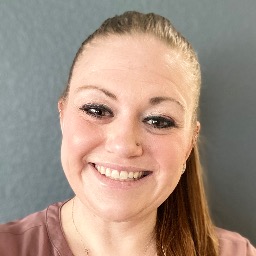
Nicole Kindt
LPC, LCPC
Compassionate counselor for everyday challenges
Opens BetterHelp in a new tab, where you can review online therapy options.
- Collaborative approach
- Skill focused
- Trauma informed
About Nicole
Nicole meets people where they are and focuses on building a supportive working relationship. She listens closely to what matters most to each person and tailors sessions to immediate needs. Clients can expect straightforward conversation, concrete tools, and compassionate guidance rather than jargon or lengthy theory lectures.
Her work often includes cognitive-behavioral techniques to change unhelpful thinking and behavior patterns. She also uses client-centered methods to keep the person’s priorities front and center, and elements of dialectical behavior therapy for managing strong emotions. Trauma-focused strategies are used when past events affect present functioning.
Nicole has experience across multiple settings and with a range of concerns such as family stress, parenting challenges, attachment and abandonment issues, body image, and survivors of abuse. She has helped people through life transitions like divorce, career change, and children leaving home.
People who choose Nicole can expect collaboration on clear goals, brief skill-building exercises, and practical steps to test between-sessions changes. Her approach aims to build resilience and day-to-day coping skills so clients can make steady progress.
Areas of expertise
Primary focus
Also works with
Additional focus areas
Therapeutic approaches
Experience
15+ years
Credentials
Colorado, Montana, Idaho
Languages
English
How therapeutic approaches shape online work
Client-Centered Therapy focuses on listening and following the client’s lead. The therapist reflects concerns and priorities to help people feel understood and decide what matters most. Cognitive Behavioral Therapy, or CBT, identifies unhelpful thoughts and actions and gives simple strategies to test new behaviors and reduce symptoms. Dialectical Behavior Therapy, DBT, offers skills for managing intense emotions, improving distress tolerance, and strengthening interpersonal communication.Choosing the right approach is part of the work. Nicole will talk with each person about goals, preferences, and what has or hasn’t helped before. Together they will try approaches that fit the issue at hand and adjust the plan as progress is made.
Confirm available session formats before booking because the biography does not list specific delivery options. Online therapy can make it easier to fit sessions into a busy schedule, shorten commute time, and allow brief check-ins when a full session isn’t possible. It can also reduce the time and stress of arranging childcare or work breaks, and lets people practice new skills in everyday settings.
At a glance
- Listed location
- Colorado
- Experience
- 15+ years
- Credentials
- LPC, LCPC
- Languages
- English
- License (Colorado)
- LPC · No. 0013234
- License (Montana)
- LCPC · No. BBH-LCPC-LIC-1521
- License (Idaho)
- LCPC · No. 7071567
- NPI
- 1851545586
As listed by the therapist. You can check a license with the state board and an NPI with the national registry.
Frequently asked questions
What concerns does Nicole help with?
Nicole supports people facing stress, anxiety, anger, depression, grief, relationship strain, parenting challenges, LGBT concerns, and career or life transitions.
How would you describe her therapeutic style?
She uses a warm, straightforward style that meets clients where they are. Sessions focus on practical tools, steady support, and collaborative goal-setting.
What background informs her work?
Nicole has 15 years of clinical experience and has worked in multiple settings with individuals and parents facing transitions and trauma.
What are her credentials and location?
She holds LPC and LCPC credentials and practices from Colorado.
Can sessions be conducted in other languages or internationally?
Sessions are offered in English and she accepts international clients.
What session formats are available?
Please confirm current session options before booking, as formats are not specified in the biography.
How does cost and billing work?
Cost varies with location and therapist availability; sessions use a subscription model that can be canceled at any time.
How do I begin working with her?
Use the Start Therapy button, complete a short matching questionnaire, and schedule according to therapist availability.
Before you start
- Online talk therapy is not a court-ordered or mandated anger-management course, and it does not provide attendance certificates.
- Check that the location and license details above fit where you live.
- If anyone is at risk of being harmed, contact emergency services or a domestic-abuse helpline first. See the support lines for the US, UK and Australia.