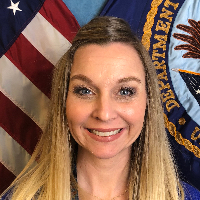
Nicole Garza
LCSW
Calm guidance for strong emotions
Opens BetterHelp in a new tab, where you can review online therapy options.
- Practical coping skills
- Focus on relationships
- Trauma informed care
About Nicole
Nicole has 13 years of clinical experience and is based in North Carolina. She draws on a mix of practical therapies that help people notice patterns, make small changes, and build new habits. Her background includes work with military communities and people facing trauma, addiction, relationship strain, and stress.
In sessions she prioritizes building trust and openness. That foundation helps when talking about painful history, loss, or conflicts that keep repeating. Nicole believes honest conversation creates clearer goals and steady progress.
She frequently uses cognitive behavioral techniques to challenge unhelpful thoughts and dialectical skills to manage strong feelings. Attachment-based ideas help untangle relationship patterns that feed anger and resentment.
Nicole also supports people dealing with caregiver stress, grief, intimacy concerns, and career-related strain. She helps people work through family origin issues, substance use, and the emotional aftermath of abuse or domestic violence. Together she and the client set realistic goals and check progress along the way.
Areas of expertise
Also works with
Additional focus areas
Therapeutic approaches
Experience
13+ years
Credentials
North Carolina
Languages
English
How these approaches guide online work
Acceptance and Commitment Therapy (ACT) helps people notice painful thoughts and feelings without getting locked into them, then choose actions that align with personal values. It can be useful for anger that comes from feeling stuck or pressured. Cognitive Behavioral Therapy (CBT) focuses on identifying unhelpful thoughts and testing them with real-life experiments to reduce reactive behavior. CBT is practical for managing triggers and changing common anger-driven thought patterns. Attachment-Based Therapy looks at how early relationship patterns shape responses to stress and conflict, and it can help when anger is tied to fear of abandonment or repeated relationship cycles.Finding the right approach is often a shared process. The therapist will talk with the person about their goals, what has helped or not helped before, and try methods that fit those needs. Sessions can mix elements from different approaches so the plan matches the client's pace and preferences.
The original biography did not list specific online session formats, so confirm available options before booking. Online work can make it easier to fit sessions into a busy week, allow shorter check-ins when needed, and reduce travel time. Some techniques translate well to remote sessions, such as thought-record exercises, behavior experiments, and skills practice, and these can be adapted to everyday life to support change.
At a glance
- Listed location
- North Carolina
- Experience
- 13+ years
- Credentials
- LCSW
- Languages
- English
- License (North Carolina)
- LCSW · No. C007548
- NPI
- 1710203583
As listed by the therapist. You can check a license with the state board and an NPI with the national registry.
Frequently asked questions
What kinds of concerns does Nicole address?
She works with a wide range of issues including anger, stress, anxiety, depression, addictions, trauma and abuse, grief, relationship and intimacy issues, parenting stress, and career strain.
What is her general therapy style?
Nicole uses direct conversation and practical exercises to help people notice patterns and try new responses. She emphasizes a trusting relationship and clear goals.
How much clinical experience does she have?
She has 13 years of experience working in clinical settings, including work with military populations and people facing trauma and addiction.
What credentials and region are listed for this therapist?
She is an LCSW, a Licensed Clinical Social Worker, practicing in North Carolina.
In which languages are sessions offered?
Sessions are offered in English, and she accepts international clients.
What session formats are available?
The original biography did not list specific session formats; please confirm the current session options before booking.
How does pricing work for sessions?
Cost varies with location and therapist availability, and sessions use a subscription that can be canceled at any time.
What are the steps to begin working together?
Select the Start Therapy button, complete a short matching questionnaire, and schedule according to the therapist's availability.
Before you start
- Online talk therapy is not a court-ordered or mandated anger-management course, and it does not provide attendance certificates.
- Check that the location and license details above fit where you live.
- If anyone is at risk of being harmed, contact emergency services or a domestic-abuse helpline first. See the support lines for the US, UK and Australia.