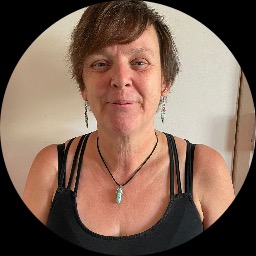
Nicola Claydon
NCPS
Calm, practical support for life’s difficult moments
Opens BetterHelp in a new tab, where you can review online therapy options.
- Strengths focused
- Trauma aware
- Practical coping
About Nicola
Nicola uses conversational, straightforward sessions. She listens first and works collaboratively to find what helps. Sessions often focus on making sense of past events, recognising patterns, and finding practical ways to cope day to day. She aims to help people build clarity and self‑acceptance.
Her early placements included supporting adult survivors of sexual abuse and working with families bereaved by suicide. She later supported care workers after lockdown and helped people in supported accommodation who had experienced homelessness. Those roles shaped her understanding of trauma, loss and complex life challenges.
Nicola has four years of professional experience and holds NCPS. She also sees people through a private practice for a wide range of concerns. Her work emphasises steady progress rather than quick fixes, and she supports people in developing tools that fit their lives.
People who choose Nicola tend to want practical conversation and emotional understanding. She helps clients explore past events, reduce overwhelm, and reclaim a sense of agency. Before booking, readers should confirm current session options and scheduling details.
Areas of expertise
Primary focus
Also works with
Additional focus areas
Therapeutic approaches
Experience
4+ years
Credentials
United Kingdom
Languages
English
How these approaches shape online care
Attachment‑Based Therapy focuses on how early relationships influence current feelings and patterns. It helps people see why they react strongly in close relationships and learn new ways to connect and feel safer with others.Client‑Centered Therapy puts the person’s perspective at the centre. The therapist listens without judgement and follows the client’s pace, which can be useful for processing trauma, building self‑esteem and making decisions.
Finding the right approach is part of the work. Nicola will discuss what feels most useful and adapt methods to the person’s goals and preferences. That choice is made together and can change as therapy progresses.
Confirm the exact online session options before booking, as the biography does not list formats. Online therapy can make it easier to fit sessions around work, family and daily life. It can also allow shorter check‑ins, reduce travel time, and help people keep continuity of care when they move or travel. Registered or accredited professionals can use online sessions to deliver the same conversational and attachment‑focused work they would do in person, while tailoring pace and techniques to each person’s needs.
At a glance
- Listed location
- United Kingdom
- Experience
- 4+ years
- Credentials
- NCPS
- Languages
- English
- Registration (United Kingdom)
- NCPS · No. NCS23-00272
As listed by the therapist. You can check a registration with the body that issued it.
Frequently asked questions
What concerns does Nicola help with?
She supports people with relationship problems, trauma and abuse, intimacy issues, depression, anger and related struggles such as self‑esteem, addictions and parenting pressures.
What is her therapeutic style like?
Nicola works in a conversational, collaborative way. She listens first, then helps people identify patterns and practical steps to cope.
What experience does she bring?
She has four years of professional experience and has worked with adult survivors of sexual abuse, bereaved families, care workers and people in supported accommodation after homelessness.
What credentials and location apply?
Nicola holds NCPS and is based in the United Kingdom.
Which languages are sessions offered in?
Sessions are offered in English and she accepts international clients.
What session formats are available?
The original biography does not list specific session formats; please confirm current session options before booking.
How are fees handled?
Cost varies with location and therapist availability; sessions use a subscription that can be cancelled at any time.
How do I begin working with her?
Click the Start Therapy button, complete a short matching questionnaire, and then schedule according to therapist availability.
Before you start
- Online talk therapy is not a court-ordered or mandated anger-management course, and it does not provide attendance certificates.
- Check that the location and registration details above fit where you live.
- If anyone is at risk of being harmed, contact emergency services or a domestic-abuse helpline first. See the support lines for the US, UK and Australia.