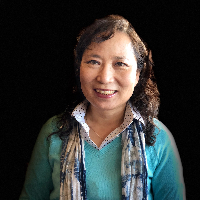
Myoung Shin Hilson
LPC
Calm, practical support for anger and stress management
Opens BetterHelp in a new tab, where you can review online therapy options.
- Client-centered approach
- CBT and mindfulness
- Speaks English and Korean
About Myoung
She uses a straightforward, respectful style that centers the person's own goals and values. Myoung draws on client-centered methods to listen deeply and build trust. She also uses Cognitive Behavioral Therapy and mindfulness practices to help people notice patterns, try new behaviors, and calm their reactions.
Myoung has 15 years of experience working in counseling roles and holds LPC credentials in Texas and Wyoming. Her background includes helping people with trauma and abuse, compassion fatigue, and family-origin issues. She pays attention to practical coping skills while also inviting bigger questions about meaning and identity.
In sessions she encourages small, concrete steps that make daily life easier. That might include short mindfulness practices, experimenting with a different way of responding to anger, or changing a thought pattern that fuels anxiety. Her work blends skill-based strategies with conversations about values and purpose.
People who choose her can expect a calm, nonjudgmental environment and an emphasis on their strengths. She aims to help clients move from feeling stuck toward clearer choices and more ease in everyday life.
Areas of expertise
Primary focus
Also works with
Additional focus areas
Therapeutic approaches
Experience
15+ years
Credentials
Texas, Wyoming
Languages
English, Korean
Using practical approaches for change in online sessions
Client-centered therapy emphasizes listening and helping the client set their own goals. The therapist focuses on understanding what matters to the person and on building a trusting working relationship to support change.Cognitive Behavioral Therapy (CBT) looks at how thoughts, feelings, and actions connect. It helps people test unhelpful thoughts and try small behavior changes that reduce anger, anxiety, and depression symptoms.
Mindfulness-based techniques teach brief practices to notice bodily sensations and thoughts without reacting immediately. These tools often help when anger or stress feels overwhelming by creating short pauses and clearer choices.
Choosing the right mix of methods is collaborative. The therapist will talk with each client about goals and preferences, try approaches that fit the situation, and adjust the plan over time based on what helps most.
Confirm current session options before booking to learn which online formats are available. Online sessions can make it easier to fit counseling into a busy week, reduce travel time, and allow shorter check-ins when needed. These practical benefits can make regular work on anger and stress more manageable while preserving the same therapeutic focus used in person.
At a glance
- Listed location
- Wyoming
- Experience
- 15+ years
- Credentials
- LPC
- Languages
- English, Korean
- License (Texas)
- LPC · No. 66174
- License (Wyoming)
- LPC · No. LPC-1982
- NPI
- 1730450743
As listed by the therapist. You can check a license with the state board and an NPI with the national registry.
Frequently asked questions
What kinds of concerns does she help with?
She works with anger, stress, anxiety, depression, trauma and relationship problems, plus parenting and grief-related issues.
What is her general therapeutic style?
Her style is client-centered and practical, blending listening with concrete tools from cognitive behavioral and mindfulness approaches.
How much clinical experience does she have?
She has 15 years of experience in counseling and related roles.
What credentials and location apply?
She is a Licensed Professional Counselor with licensure in Texas and Wyoming and practices out of Wyoming.
Can I work with her if I don’t speak English?
Sessions are offered in English and Korean.
Does she work with international clients?
She is not accepting international clients at this time.
How are sessions paid for and what about cost?
Cost varies with location and therapist availability; sessions use a subscription that can be canceled at any time.
How do I begin the process?
Use the Start Therapy button, fill out the short matching questionnaire, and then schedule according to therapist availability.
Before you start
- Online talk therapy is not a court-ordered or mandated anger-management course, and it does not provide attendance certificates.
- Check that the location and license details above fit where you live.
- If anyone is at risk of being harmed, contact emergency services or a domestic-abuse helpline first. See the support lines for the US, UK and Australia.