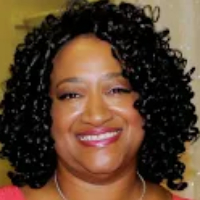
Monique Willett
LPC, LCMHC
Practical therapy grounded in real skills
Opens BetterHelp in a new tab, where you can review online therapy options.
- Client-centered care
- Skills-based work
- Strengths focused
About Monique
Monique favors practical, easy-to-use techniques. She draws from client-centered work to listen and reflect what matters most to each person. She uses cognitive behavioral strategies to identify unhelpful thinking and DBT skills when emotion regulation and distress tolerance are needed.
Motivational interviewing and solution-focused methods help people find real next steps and stay motivated for change. Mindfulness practices are woven in when slowing down and noticing thoughts and feelings helps reduce reactivity. Her sessions typically focus on skill building for coping, communication, and relapse prevention when applicable.
She emphasizes collaboration, asking people what works for them and adjusting methods as needed. Progress is measured in practical ways, such as improved sleep, fewer angry outbursts, clearer boundaries, or reduced substance use episodes. Monique encourages people to use their existing strengths while developing new tools.
Her background includes work across settings and populations over more than a decade. She aims to create a calm, supportive space where concerns are named and clear steps are taken. To begin, a short matching process helps connect someone to scheduling and next steps.
Areas of expertise
Primary focus
Also works with
Additional focus areas
Therapeutic approaches
Experience
13+ years
Credentials
North Carolina, South Carolina
Languages
English
Approaches for online work and practical skill building
The practice uses client-centered therapy to ground sessions in what matters to the person. This approach focuses on active listening, empathy, and following the client's lead to set goals and priorities.Cognitive behavioral therapy (CBT) is used to spot patterns of thinking that fuel stress, anxiety, or anger. CBT helps people test thoughts and practice different behaviors to reduce symptoms and improve daily functioning.
Dialectical behavior therapy (DBT) skills are offered when strong emotions or impulsive reactions make life harder. These skills include emotion regulation, distress tolerance, and clearer communication techniques.
Finding the right approach is part of the process. The therapist will work collaboratively with each person to decide which methods fit their needs, goals, and preferences. That conversation guides what techniques are emphasized in sessions.
Confirm the available session formats before booking, since specific online formats were not listed in the biography. Online therapy can make it easier to fit sessions into a busy life, allow shorter check-ins when needed, and reduce travel time. Licensed professionals can adapt exercises, worksheets, and skill practice to an online setting to help people build coping tools and improve daily routines.
At a glance
- Listed location
- North Carolina
- Experience
- 13+ years
- Credentials
- LPC, LCMHC
- Languages
- English
- License (North Carolina)
- LCMHC · No. S9328
- License (South Carolina)
- LPC · No. 6822
- NPI
- 1912242165
As listed by the therapist. You can check a license with the state board and an NPI with the national registry.
Frequently asked questions
What concerns does she address?
She helps people with stress, anxiety, anger, depression, addictions, grief, relationship and family issues, sleep problems, parenting and career concerns, ADHD, bipolar challenges, and coping with life changes.
What is her therapy style like?
Her style is collaborative and supportive. She starts with a strong therapeutic connection, then uses practical skills from client-centered, CBT, DBT, mindfulness, and motivational interviewing approaches.
How much experience does she have?
She has 13 years of clinical experience working in various settings and with a range of concerns including depression, anxiety, and stress management.
What credentials and region are listed?
She holds the LPC and LCMHC credentials and practices in North Carolina.
Which languages are supported and is international work available?
Sessions are offered in English. She is not accepting international clients at this time.
What session formats are offered?
Please confirm current session options before booking, as specific session formats were not detailed in the biography.
How is cost handled?
Cost varies with location and therapist availability. Sessions use a subscription model that can be canceled at any time.
How do I get started?
Click the Start Therapy button, complete a short matching questionnaire, and then schedule according to therapist availability.
Before you start
- Online talk therapy is not a court-ordered or mandated anger-management course, and it does not provide attendance certificates.
- Check that the location and license details above fit where you live.
- If anyone is at risk of being harmed, contact emergency services or a domestic-abuse helpline first. See the support lines for the US, UK and Australia.